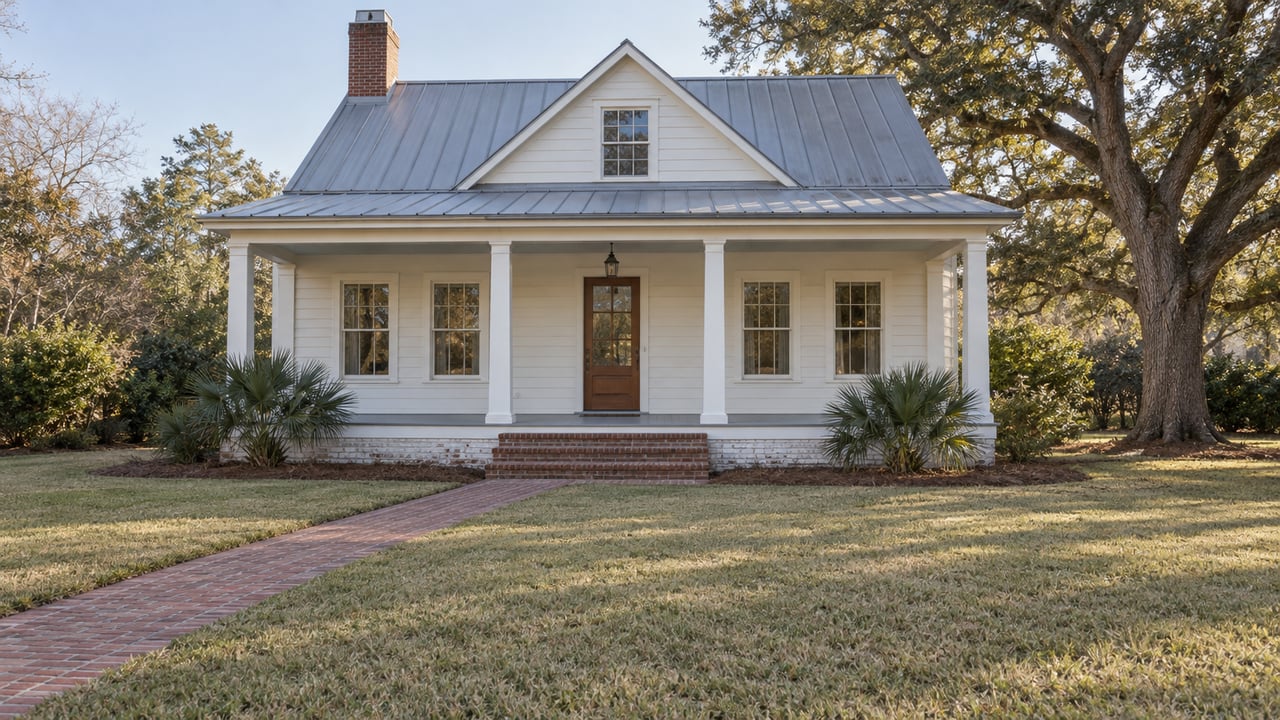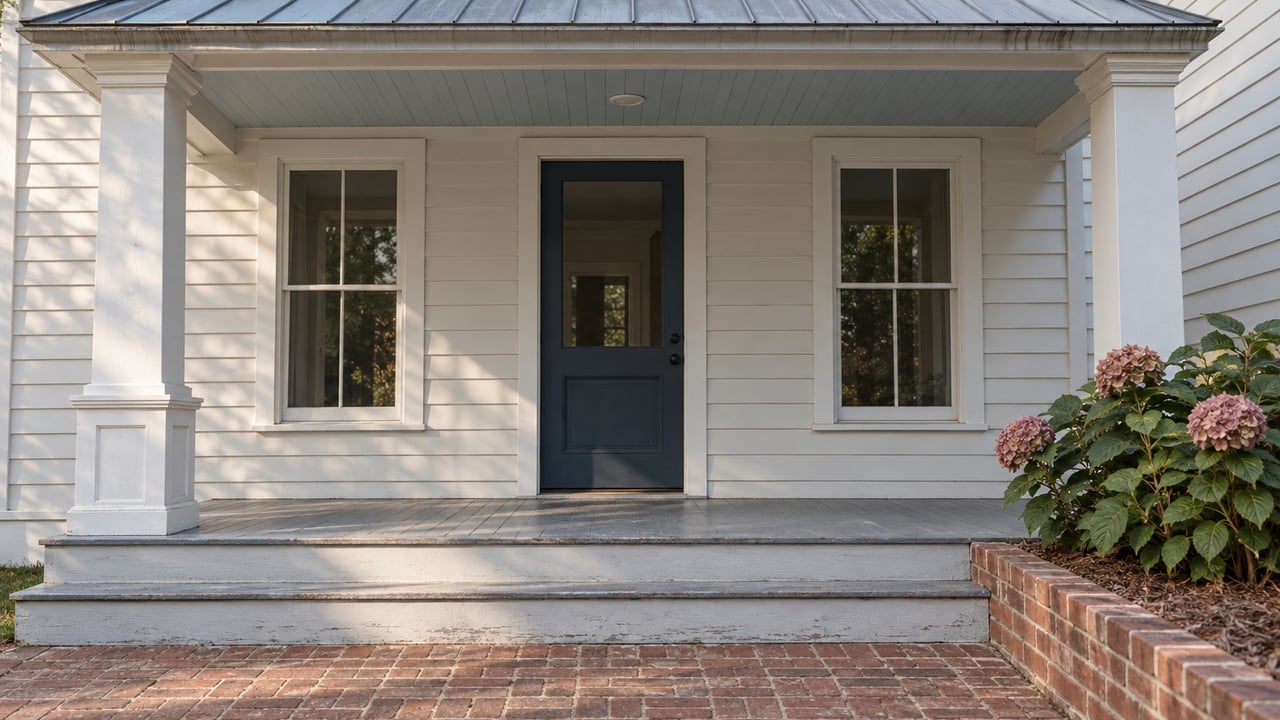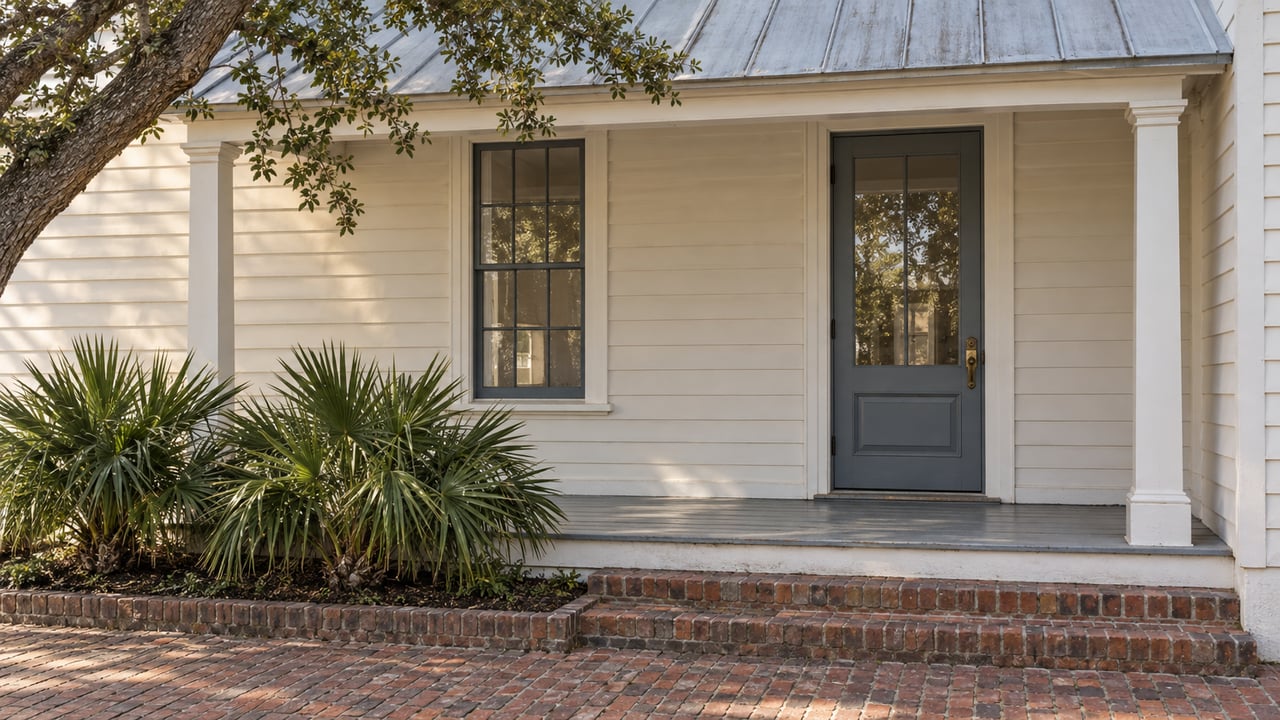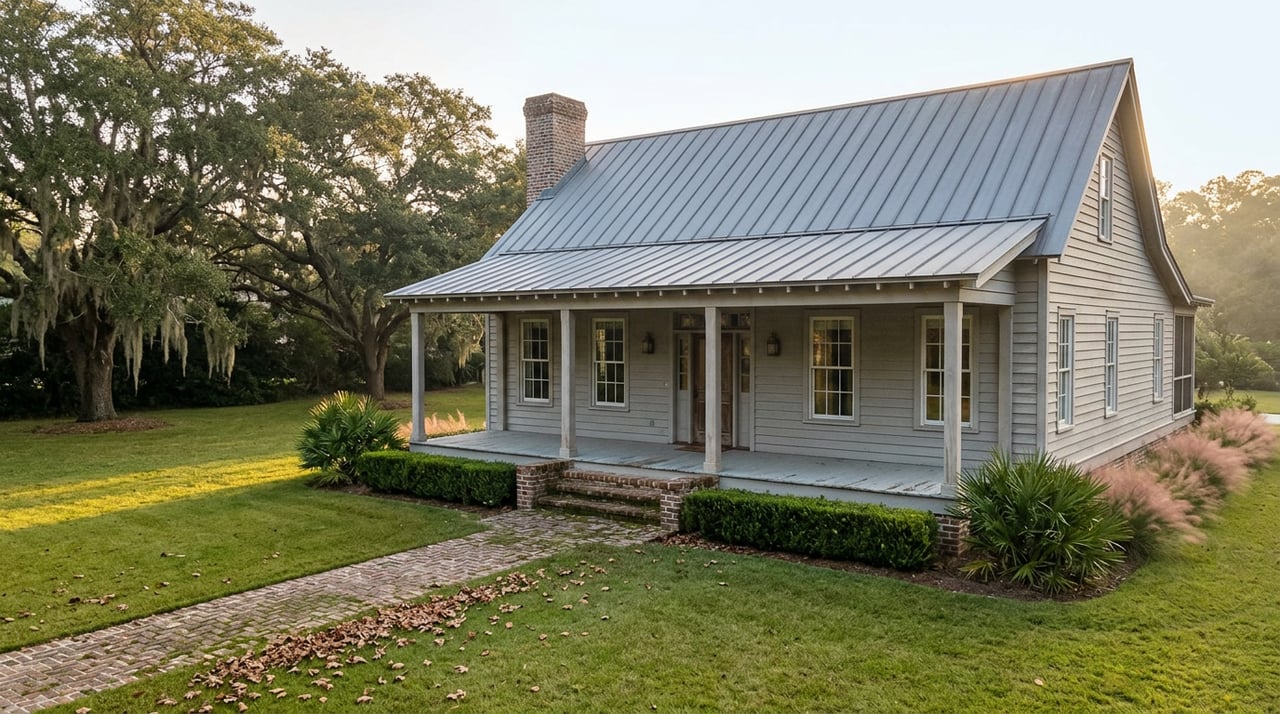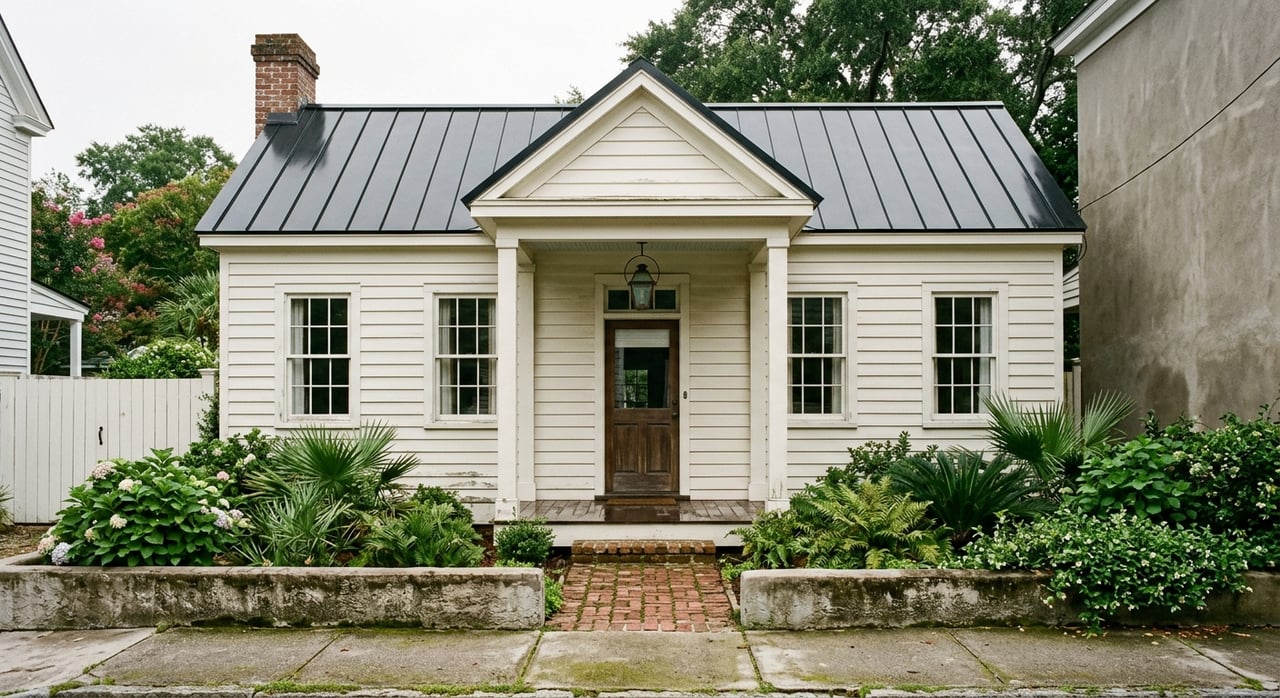
Trying to choose between in-town Savannah and the suburbs can feel harder than picking the house itself. You may love the idea of historic streets, nearby parks, and a more connected feel, but you may also want more space, newer construction, and easier highway access. The good news is that both settings offer real advantages, and the best fit usually comes down to how you want to live day to day. Let’s break it down.
What In-Town Savannah Means
In-town Savannah usually refers to the historic core and nearby older neighborhoods shaped by Savannah’s early street plan and preservation standards. The City of Savannah notes that local historic districts include Downtown, Victorian, Streetcar, and Cuyler-Brownville, and that the city’s famous squares date back to Oglethorpe’s 1733 plan. That gives many in-town areas a compact, layered feel that is very different from newer suburban development.
This setting is often about more than location alone. In many in-town areas, you are choosing older street patterns, smaller blocks, and a built environment influenced by preservation review. That can be a major draw if you value character and a stronger sense of place.
Examples of In-Town Neighborhood Form
Ardsley Park-Chatham Crescent is one local example the city describes as a highly intact residential area that began developing in 1910 as two planned subdivisions with a regular grid and landscaped squares. Eastside is another example, with development that followed streetcar lines and later included Queen Anne, Italianate, and Craftsman bungalow homes. These examples help show how in-town Savannah often reflects older planning patterns and established architecture.
What Suburban Savannah Means
When many buyers think about suburban Savannah, Pooler is one of the clearest examples nearby. Pooler’s comprehensive plan describes the city as northwest of Savannah with direct access to I-95 and I-16 and a land-use pattern centered around residential areas, traditional neighborhood areas, and shopping and dining districts. In practical terms, that often means a more driving-oriented setup with newer development patterns.
Suburban living near Savannah usually appeals to buyers who want a little more separation between home, roads, and neighboring properties. It can also be a better fit if your routine depends on highway access or if you prefer neighborhoods built more recently.
Housing Style and Lot Size
One of the biggest differences between in-town and suburban Savannah is the way homes sit on the land. In-town homes often occupy older and smaller parcels, and Savannah’s zoning rules note that certain reduced lot size and lot-width standards are meant to reflect historic lot patterns where most nearby residential lots are under 5,000 square feet. Some downtown properties may also have no setback requirement, which helps explain the tighter, more urban feel.
That pattern creates a streetscape that can feel close-knit and walkable. Homes may sit closer to the street, and lots may be narrower than what you would expect in a newer subdivision. If you enjoy older homes and denser blocks, this can be a strong plus.
In historic districts, design oversight is also part of the package. The city states that preservation rules are intended to maintain visual compatibility and protect neighborhood character. For you as a buyer, that can mean a more consistent streetscape, but it can also mean more review for certain exterior changes and renovations.
What Suburban Housing Looks Like
Pooler offers a different housing pattern. Its comprehensive plan says single-family detached homes make up 66% of the city’s housing stock, with most homes built in the 2000s and 2010s. The plan also identifies a Residential Homestead character area intended for large tracts where a large home or estate can be built.
That points to a more spacious, newer-construction pattern that many buyers associate with suburban living. If you want a home that feels more recent in layout and design, or simply want more yard space, the suburban side of the Savannah area may line up better with your goals.
Commute and Transportation
Your daily routine matters just as much as the home itself. Broadly, the U.S. Census reports a mean travel time to work of 20.7 minutes in Savannah and 23.0 minutes in Chatham County. These are area-wide averages, not a promise for any specific neighborhood, but they do offer a useful benchmark.
In-town Savannah has a concentration advantage. Chatham Area Transit says its fixed-route buses, mobility vehicles, and ferries provide about 4 million passenger trips a year across Savannah, unincorporated Chatham County, and parts of Garden City. The free downtown dot shuttle runs every 10 minutes at 18 stops throughout the Historic District, and the free Savannah Belles Ferry connects River Street and Hutchinson Island.
If you like the idea of having more transportation options close at hand, this can be a meaningful benefit. Even if you still drive most days, in-town living can make shorter trips and public transit more realistic for some errands and outings.
Suburban Travel Trade-Offs
Pooler’s transportation story is different. Its comprehensive plan highlights direct access to I-95 and I-16, which supports the more driving-oriented suburban setup many buyers expect. If your schedule depends on getting on the highway quickly, that can be a deciding factor.
This does not make one setting better than the other. It simply means you should match your location to the way you actually move through the week.
Parks, Amenities, and Daily Lifestyle
Lifestyle often ends up being the tie-breaker. In-town Savannah offers a high concentration of public spaces and everyday amenities. The city maintains the historic downtown squares along with places like the Riverfront, Bay Street Strand, Forsyth Park, Daffin Park, and other neighborhood parks.
Savannah’s Open Neighborhoods tool also maps parks, bikeways, community centers, grocery stores, libraries, CAT stops, and schools. That kind of proximity can make daily life feel more connected, especially if you enjoy being near parks and public spaces.
What the Suburbs Offer
Suburban areas offer a different mix. Chatham County Parks highlights boat ramps, fishing piers, multipurpose trails, nature preserves, and community parks. Tom Triplett Park spans about 200 acres, and McQueen’s Trail runs just over six miles.
Pooler’s plan also includes a Shopping & Dining character area designed to serve dining, shopping, lodging, and service needs. So if your ideal weekend looks more like larger recreation areas, convenient parking, and easy access to newer retail zones, suburban Savannah may feel more natural.
Budget Snapshot
Price is always part of the conversation. On a broad median basis, Savannah city reports a median owner-occupied home value of $248,900, while Chatham County reports $302,700 and Pooler reports $322,400. These figures do not mean every suburban home costs more than every in-town home, but they do suggest a higher median price point in the suburban market.
That is why it helps to think beyond headline pricing. Your budget should also account for the type of home, lot size, age of construction, location pattern, and the lifestyle trade-offs that matter most to you.
How to Choose Your Setting
If you are stuck between the two, start with your real priorities rather than the most eye-catching listing photos. The best decision usually becomes clearer when you focus on how you want your days to feel.
Choose In-Town Savannah If You Want
- Older architecture and established neighborhood character
- Smaller lots and a more compact setting
- Preservation standards and visual consistency in historic areas
- More access to transit, downtown services, and public spaces
- A lifestyle centered around nearby amenities and historic streetscapes
Choose Suburban Savannah If You Want
- Newer single-family homes
- Larger lots or larger tracts of land
- Easier highway access for daily driving
- A more space-oriented recreation mix
- Shopping, dining, and residential areas built around newer growth patterns
A Simple Way to Decide
Here is a practical way to narrow your choice. Picture a normal Tuesday, not a vacation day or a dream scenario. Think about your commute, errands, parking, yard needs, home style, and how often you want to be near parks, shopping, or historic public spaces.
If character, closeness, and a more urban pattern matter most, in-town Savannah may be your fit. If space, newer housing, and highway convenience rank higher, suburban Savannah may make more sense. Either way, the right move is the one that supports your daily life, not just your wish list.
If you want help comparing neighborhoods, home styles, and the trade-offs that matter most for your move, connect with Homes by TLC - Taylor Lomprez. You will get local guidance that is responsive, clear, and tailored to the way you want to live.
FAQs
What is the difference between in-town Savannah and suburban Savannah?
- In-town Savannah usually refers to the historic core and nearby older neighborhoods with compact blocks, smaller lots, and preservation oversight, while suburban Savannah often refers to newer, more driving-oriented areas such as Pooler with larger-lot patterns and direct highway access.
Are homes in in-town Savannah usually older?
- Yes. In-town areas often include older neighborhood forms and architectural styles, including examples tied to early 1900s development and streetcar-era growth.
Are suburban Savannah homes usually larger?
- They often can be, especially in areas like Pooler where planning documents describe large-tract residential areas and a housing stock dominated by single-family detached homes.
Is public transportation better in in-town Savannah?
- In general, yes. In-town Savannah benefits from the concentration of CAT services, including fixed-route buses, the free downtown dot shuttle, and the Savannah Belles Ferry.
Is Pooler considered part of the suburban Savannah conversation?
- Yes. Pooler is a common nearby example because of its newer development pattern, shopping and dining areas, and direct access to I-95 and I-16.
Is in-town Savannah always less expensive than the suburbs?
- Not always. Broad median home value data suggests Savannah city has a lower median owner-occupied home value than Pooler, but prices vary widely by neighborhood, property type, and condition.