Thinking about moving to Savannah? One of the biggest surprises for many buyers is that choosing your area is less about finding the “best” neighborhood and more about finding the right fit for how you want to live every day. If you are relocating from out of town, that can feel like a lot to sort through at first. This guide will help you understand Savannah’s main lifestyle tradeoffs so you can narrow your search with more confidence. Let’s dive in.
Start With Savannah’s Key Tradeoffs
Savannah has a very distinct layout. The historic core is compact and highly walkable, while many areas farther south, east, and west are more car-oriented. That means your day-to-day experience can change quickly depending on where you live.
In practical terms, most area choices come down to five things: walkability, parking, home age, commute pattern, and neighborhood scale. If you focus on those tradeoffs first, it becomes much easier to tell which part of Savannah fits your lifestyle.
Understand Savannah’s Five Area Types
A helpful way to think about Savannah is through five lifestyle buckets. This is not an official city classification, but it lines up with the city’s historic districts, roadway patterns, and neighborhood planning work.
Historic Urban Areas
This includes downtown, the Landmark District, and nearby walkable historic areas. The downtown Landmark District covers about 2.2 square miles and still contains 22 of the original 24 squares from Savannah’s ward-and-square plan.
If you want to walk often, live near major public spaces, and enjoy older architecture, this area usually rises to the top. It is the most city-like part of Savannah and typically the least car-dependent.
Close-In Residential Areas
This group includes places like Ardsley Park-Chatham Crescent, Daffin Park, Thomas Square, and nearby inner-ring neighborhoods. These areas generally offer a more residential feel while still keeping you relatively close to downtown.
For many relocating buyers, this category hits a comfortable middle ground. You can often get character and established streets without being in the busiest part of the historic core.
Eastside Commuter Areas
Eastside neighborhoods are close to downtown but have a different feel. They connect well to the Truman Parkway through corridors like Henry and Anderson Streets, with additional access from Wheaton Street and Victory Drive.
This part of Savannah can appeal to buyers who want proximity to the historic core but place a high value on road access. It is also an area where infrastructure and housing investment are actively shaping the neighborhood experience.
Southside Suburban Areas
Southside Savannah is generally newer and more subdivision-oriented. Much of the area south of DeRenne developed after 1950, and many neighborhoods were built as residential subdivisions rather than extensions of the original Savannah grid.
If you prefer a more suburban scale, newer housing patterns, and a more car-centered routine, Southside may feel familiar and practical. This area is less about strolling everywhere and more about space, road access, and everyday convenience.
Emerging West-Side Areas
West Savannah, Hudson Hill, and the Canal District are often better understood as areas of active change. Public projects and complete-streets pilot work are helping reshape the public realm over time.
For some buyers, that sense of evolution is part of the appeal. For others, it may feel less settled than more established areas closer to the historic core.
Match Your Commute to Your Neighborhood
When you relocate, your commute pattern often ends up shaping your routine more than almost anything else. In Savannah, that pattern can shift significantly from one area to another.
If You Want to Walk More
Downtown is the clearest choice if your goal is to walk to more of your daily destinations. The city specifically notes downtown Savannah for easy walking, and fare-free downtown transit also adds another layer of mobility in the historic core.
If your ideal day includes walking to parks, public spaces, restaurants, and waterfront areas, this is where Savannah feels most connected on foot. It is a very different experience from the more auto-oriented parts of the city.
If Parkway Access Matters
Eastside areas can make a lot of sense if fast access to the Truman Parkway is high on your list. That can be especially helpful if your work or routine regularly takes you beyond the historic core.
This is one of those practical details that matters more after move-in than during the home search. A neighborhood that looks close on the map may still function differently depending on how easily you can connect to your main routes.
If You Need Airport or Port Access
Savannah/Hilton Head International Airport says the terminal is about 20 minutes from Historic Savannah. If you fly often, that can make many in-town neighborhoods more convenient than buyers expect.
If your work is tied to logistics or port-related industries, the Port of Savannah sits west of the city with direct access to I-16 and I-95. In that case, your preferred area may be influenced less by charm and more by route efficiency.
Know What Housing Style Fits You
Relocating buyers often start with location, but housing stock deserves equal attention. Savannah’s homes vary widely in age, form, and maintenance needs depending on the area.
Historic Core Homes
Downtown and nearby historic districts are known for layered architecture and older building styles, including Federal, Victorian, Regency, and Italianate examples. For many buyers, that character is a major draw.
But historic areas also come with added considerations. Exterior changes and most renovations are reviewed in local historic districts, and parking rules can differ from other parts of the city.
If you love charm, that tradeoff may feel well worth it. If you want more flexibility with exterior updates or easier parking, another area may be a better fit.
Older Residential Neighborhoods
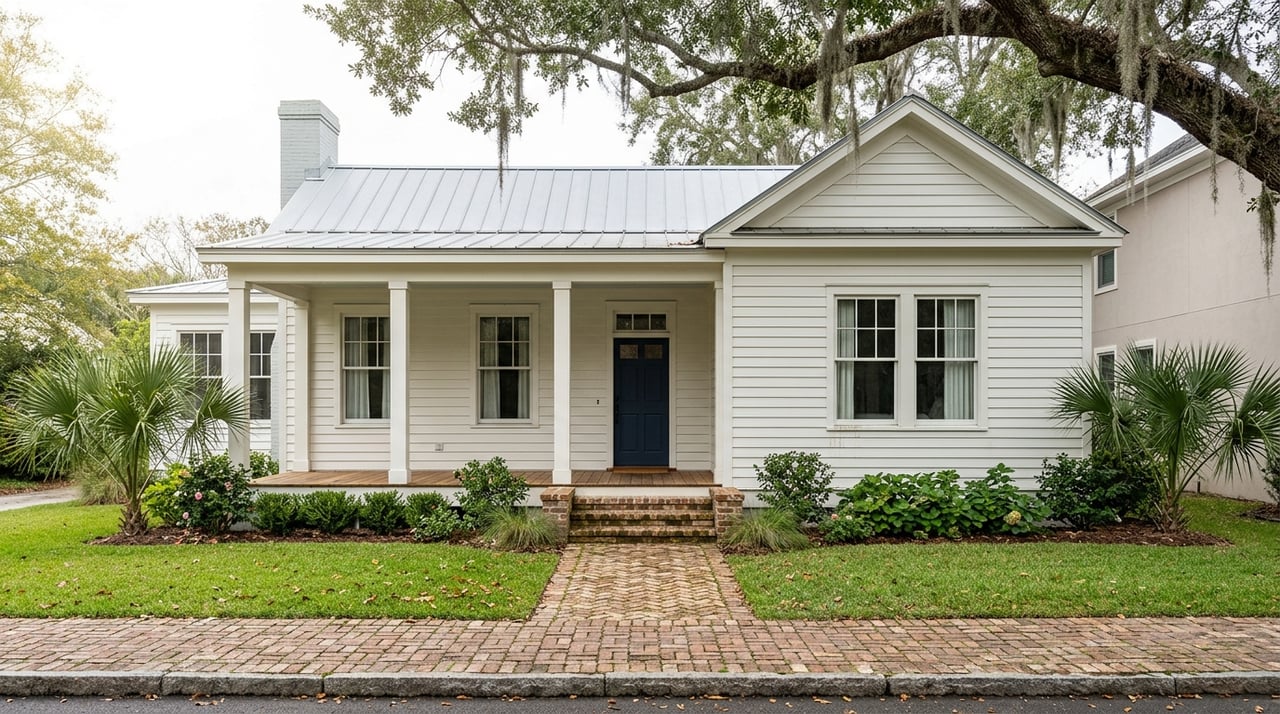
Ardsley Park-Chatham Crescent offers a different kind of historic feel. City archives describe it as a highly intact planned subdivision begun in 1910, with a regular grid, landscaped squares, and mostly one- and two-story single-family homes.
That makes it appealing to buyers who want an older residential setting without being in the center of the tourist-heavy downtown environment. Thomas Square and nearby areas offer a similar close-in appeal, with historic homes mixed alongside small commercial and community buildings.
Newer Subdivision Patterns
On the Southside, housing tends to be newer and more suburban in form. This can be a strong fit if you want a neighborhood built around driving rather than walking, or if you prefer home styles and lot patterns that feel more recent.
Windsor Forest is one example the city identifies as an early planned, self-contained neighborhood. The broader Southside is also the focus of ongoing study to introduce more walkable, mixed-use elements over time.
Think About Parking and Daily Convenience
Parking can have a major impact on how comfortable a neighborhood feels once you live there. This is especially true for buyers moving from places where driveway space or attached garages are the norm.
In and around the historic core, parking may be more limited or function differently than in newer parts of Savannah. In more suburban areas, on-site parking is often easier to prioritize.
That is why it helps to ask a simple question early: how important is on-site parking or garage space to you? Your answer can quickly narrow the map.
Consider Neighborhood Pace and Change
Not every buyer wants the same kind of neighborhood energy. Some people want a place that feels settled and established right now, while others are open to areas that are still changing.
Eastside and West Savannah are good examples of places where public investment and infrastructure work are shaping future identity. If you are comfortable buying into an area with visible change over time, those locations may be worth a closer look.
If you would rather move into a neighborhood with a more established feel from day one, areas like downtown, Ardsley Park, Daffin, or Thomas Square may align better with that goal.
Don’t Overlook Outdoor Mobility
Savannah is also more bike-friendly than many relocating buyers expect. The city notes that flat terrain and warm weather make bicycle travel practical in many parts of town.
The Tide to Town project is building a protected citywide trail network designed to connect 62 neighborhoods. If biking, walking trails, or park access matter to your routine, that is another useful filter when comparing areas.
Daffin Park, for example, includes a 1.5-mile accessible walking loop, and other nearby parks and trail connections add to the appeal of close-in residential neighborhoods. On the Southside, Joe Tribble Park is one of the outdoor amenities highlighted by the city.
Questions to Ask Before You Choose
Before you commit to one part of Savannah, it helps to get specific about how you want your week to feel. A good relocation decision is usually less about a perfect label and more about an honest lifestyle match.
Ask yourself:
- How much daily walking do you want versus driving?
- How important is on-site parking or garage space?
- Do you want to live inside a local historic district or conservation district?
- How much home-maintenance complexity are you comfortable with in an older house?
- Which route matters most to you: downtown, the airport, the port, Truman Parkway, or I-95?
- Do you want a neighborhood that feels established now, or one that is still evolving?
Those answers will often point you toward the right area faster than browsing listings alone.
A Smart Way to Narrow Your Search
If you are relocating to Savannah, try not to ask, “What is the best neighborhood?” A better question is, “Which part of Savannah fits the way I actually want to live?”
If you want maximum walkability and historic character, focus on downtown and the Victorian or streetcar-era areas. If you want close-in residential streets, look closely at Ardsley Park, Daffin, and Thomas Square. If commute efficiency matters most, Eastside may be a better fit. If you want a more suburban scale, Southside deserves attention. If you are open to change and redevelopment, West Savannah may be worth exploring.
Relocation gets easier when you have a local guide who can help you compare not just homes, but the feel and function of each part of the city. If you are planning a move to Savannah, Homes by TLC - Taylor Lomprez can help you narrow your options and find the area that feels right for you.
FAQs
What matters most when choosing an area in Savannah?
- The biggest factors are usually walkability, parking, home age, commute pattern, and whether you want an established or changing neighborhood environment.
Which Savannah areas are most walkable for relocating buyers?
- Downtown and nearby historic urban areas are generally the most walkable, with easy access to squares, parks, River Street, and other daily destinations.
Which Savannah areas feel more residential but still close to downtown?
- Ardsley Park-Chatham Crescent, Daffin Park, Thomas Square, and nearby inner-ring neighborhoods are often the best fit for buyers who want a close-in residential feel.
Which Savannah areas may work best for buyers focused on road access?
- Eastside neighborhoods can be a strong option for buyers who want good access to the Truman Parkway through routes such as Henry, Anderson, Wheaton, and Victory.
Which Savannah areas feel more suburban for long-distance movers?
- Southside neighborhoods, including areas like Windsor Forest, generally offer a more suburban and car-oriented setting with newer subdivision patterns.
What should buyers know about historic districts in Savannah?
- Homes in historic districts can offer significant character, but exterior changes and many renovations may be subject to review, and parking rules may differ from other parts of the city.