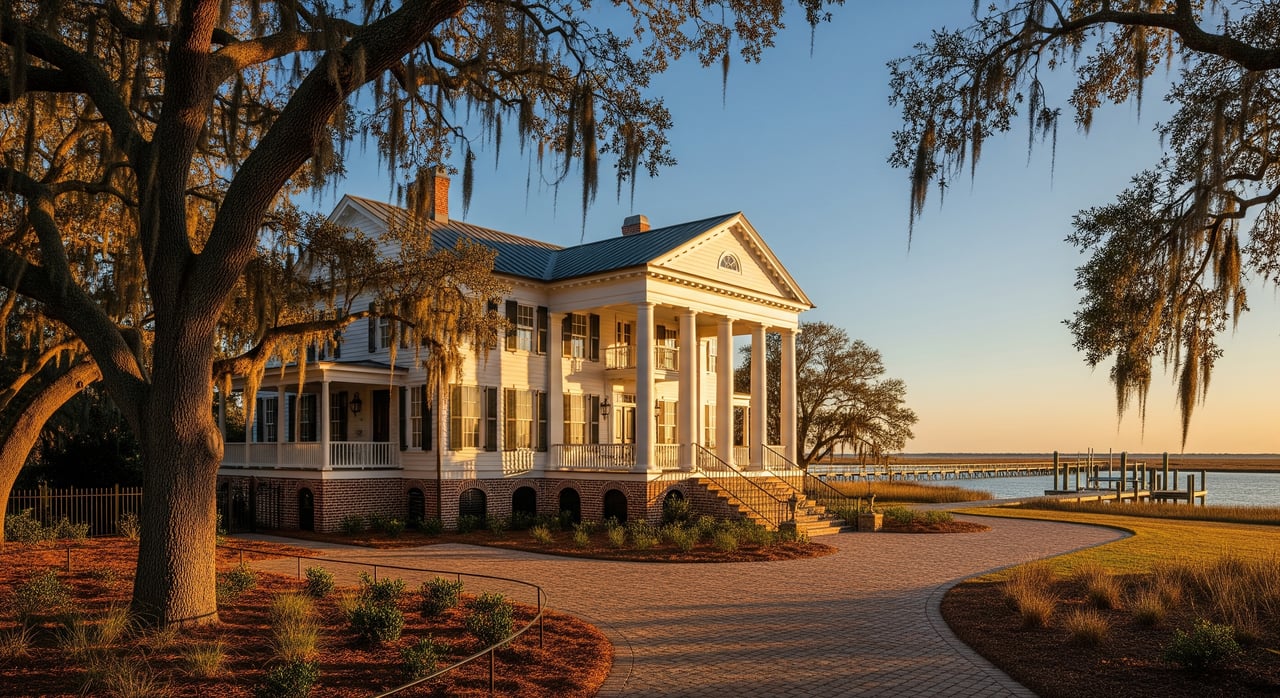
Love the salt air and live oaks but unsure how coastal insurance works in Savannah? You are not alone. Coastal policies can feel complex when you hear about flood rules, hurricane deductibles, and roof-age cutoffs. In this guide, you will learn what a standard policy covers, how coastal deductibles work, why your roof matters, and simple steps to estimate premiums before you make an offer. Let’s dive in.
What a homeowners policy covers
A typical HO-3 policy protects your home’s structure, other structures, personal property, liability, and additional living expenses if a covered loss makes the home unlivable. Coverage amounts should match your needs and your home’s rebuild cost.
Core protections to know
- Dwelling coverage should be set to replacement cost, not market value.
- Liability coverage can protect you if someone is injured on the property.
- Additional living expenses help pay for temporary housing after a covered loss.
Key exclusions in Savannah
- Flood is not covered by a standard homeowners policy. You need a separate flood policy through the National Flood Insurance Program (NFIP) or a private flood insurer. The Insurance Information Institute and FloodSmart explain these basics.
- Some policies limit damage from repeated roof leaks, mold, or wear and tear.
- Sinkhole or earth movement may be excluded or limited.
- Coastal carriers often apply special rules for wind and hail.
Helpful endorsements to consider
- Ordinance or law (to rebuild to current code)
- Water or sewer backup
- Equipment breakdown
- Scheduled items for jewelry, art, and other valuables
Deductibles to expect on the coast
Deductibles are what you pay out of pocket before insurance pays. Most policies use a dollar deductible for everyday claims. In coastal areas, insurers often add a special percentage deductible for named storms or hurricanes.
Standard vs. hurricane deductibles
- Dollar deductible: Often selected in the $500 to $2,500 range for many perils.
- Hurricane or named-storm deductible: A percentage of the dwelling limit, commonly 1% to 5% in coastal states. The Insurance Information Institute provides consumer guidance on how these deductibles work.
A quick example
If your Savannah home is insured for $300,000 and you have a 2% hurricane deductible, you would pay $6,000 for a covered hurricane loss before your insurer pays. Percentage deductibles can be large, so it helps to budget for them.
What to verify on quotes
- Which events trigger the percentage deductible (named storm vs. any wind)?
- Are there wind or hail sublimits?
- Do endorsements like sewer backup have separate deductibles?
Roof age, material, and condition
Your roof is one of the first things insurers evaluate. Age, material, and wind resistance can affect your premium and insurability in Chatham County.
Common carrier practices
- Older roofs, often in the 15 to 25-year range depending on material, may lead to higher premiums or even a replacement requirement before a policy is issued or renewed.
- Carriers may ask for proof of the replacement date or a roof certification.
- Impact-resistant shingles or metal roofs may earn credits, while some materials may be restricted in coastal zones.
Documents that help
- Roof replacement receipts, permit records, and warranty paperwork
- A roof inspection or certification that outlines remaining life and wind features
- Details on wind mitigation, such as secondary water resistance
Flood insurance in Savannah
Flooding is a separate risk from wind and rain. In coastal Savannah, small elevation changes, tidal creeks, and river proximity can create very different flood profiles from one block to the next.
Check your flood zone
Use the FEMA Flood Map Service Center to look up a property’s flood zone. Look for AE or V/VE zones in Special Flood Hazard Areas. If a home is in an SFHA and you use a federally regulated lender, flood insurance is required.
NFIP vs. private flood
The NFIP offers baseline coverage and standardized rules, while private flood carriers may offer higher limits or different pricing. Visit FloodSmart for NFIP education, and ask your insurance professional to compare NFIP and private quotes.
Elevation and cost signals
- An Elevation Certificate can change the price by documenting finished-floor height relative to the base flood elevation.
- Mitigation, like elevating utilities or floodproofing, can help reduce premiums.
Coastal factors that change premiums
Savannah’s proximity to the Atlantic and tidal waterways influences coverage and price. Local storm history and construction details matter too.
- Wind exposure and storm surge risk
- FEMA flood zone and base flood elevation
- Home age and major system updates
- Roof condition and materials
- Construction type and elevation above grade
- Claims history for the property and for the insured
- Occupancy and usage, including rentals
- Credit-based insurance factors where permitted
For broader storm context, the National Hurricane Center shares seasonal outlooks and historical data.
Estimate insurance before you offer
Get a realistic range before you fall in love with a home. A few conversations and documents can prevent surprises during due diligence.
Information to gather
- Square footage, year built, construction type, roof material, and roof age
- Replacement-cost estimate if available
- Exact address for a flood zone lookup
- Seller’s claims history and any current insurance details
- Your coverage preferences, including liability limits and endorsements
How to get quick ranges
- Ask 2 to 3 insurers that write coastal Georgia policies for preliminary quotes. Include one that offers private flood options.
- Request sample declarations pages with all deductibles shown, especially the hurricane or named-storm percentage.
- For flood, request an NFIP estimate and a private flood quote. Share any Elevation Certificate.
- Ask insurers to include possible mitigation credits, such as impact windows or hurricane straps.
Buyer checklist for apples-to-apples
- Is flood insurance required by the lender? At what coverage level?
- What is the hurricane or named-storm deductible percent?
- Is wind and hail covered, and are there wind-only exclusions?
- Does the insurer have a roof-age cutoff or documentation requirement?
- Which mitigation credits are available, and what proof is needed?
- Did you receive a declarations page and a written deductible explanation?
Seller prep for smoother deals
Clear, organized documents can reduce buyer questions and speed insurance quotes during escrow.
Documents to assemble
- Roof replacement date, permit, invoice, and warranty
- Flood policy declarations page, Elevation Certificate, and any prior flood claims
- Proof of mitigation: hurricane straps, impact windows, backflow preventers, elevated utilities
- Records of major repairs, updates, and warranties
- Property claims history with dates and claim numbers
Actions that build confidence
- Order a roof inspection or certification if the roof is older
- If in or near a flood zone, secure an Elevation Certificate
- Share a summary of past insurance claims and any known flood events
- Provide contact info for your current insurer so buyers can request historical dec pages if allowed
Trusted sources and tools
- Look up a property’s flood zone on the FEMA Flood Map Service Center.
- Learn NFIP basics and flood steps on FloodSmart.
- Review hurricane and storm information via the National Hurricane Center.
- Read consumer guides from the Insurance Information Institute.
- Explore state-level consumer resources at the NAIC.
Buying or selling near the Savannah coast can be smooth when you get in front of insurance questions. If you want local insight, policy checklists, and help coordinating quotes during due diligence, reach out to Homes by TLC - Taylor Lomprez. We are here to help you move with clarity and confidence.
FAQs
What does a Savannah homeowners policy typically cover?
- Most HO-3 policies cover the dwelling, other structures, personal property, liability, and additional living expenses for covered perils. Flood is not covered and needs a separate policy.
How do hurricane deductibles work in coastal Georgia?
- Many policies use a percentage deductible for named storms or hurricanes, commonly 1% to 5% of the dwelling limit. This applies only when the named event trigger is met.
Do I need flood insurance in Savannah or Chatham County?
- If the home is in a Special Flood Hazard Area and you use a federally regulated lender, flood insurance is required. Use FEMA’s map to confirm the zone and consider quotes even outside SFHAs.
How does roof age affect my premium and eligibility?
- Older roofs often mean higher premiums or replacement requirements. Carriers may request proof of roof age or a roof certification and may offer credits for impact-resistant materials.
Can an Elevation Certificate lower my flood premium?
- Yes. An Elevation Certificate can show finished-floor height relative to base flood elevation, which can reduce NFIP or private flood premiums in many cases.
How can I estimate insurance costs before making an offer?
- Gather key home details, request 2 to 3 quotes, ask for sample declarations pages, and confirm all deductibles. Include flood quotes and ask about mitigation credits for a full picture.