Tired of spending weekends on yard work or lining up contractors for every repair? If you want a home in Savannah that fits a lock-and-leave lifestyle, you have solid options. Whether you’re downsizing, traveling often, or simply ready to simplify, you can find communities where exterior maintenance is handled for you. This guide breaks down the most common low-maintenance choices in Savannah and nearby areas, what HOA fees usually include, typical costs, and the key checks to make before you buy. Let’s dive in.
What “low-maintenance” means in Savannah
Low-maintenance living usually means an HOA or condo association takes care of exterior upkeep, common-area landscaping, and amenities. Your exact coverage depends on the community’s rules and budget. In Savannah and Chatham County, you’ll see a few main options:
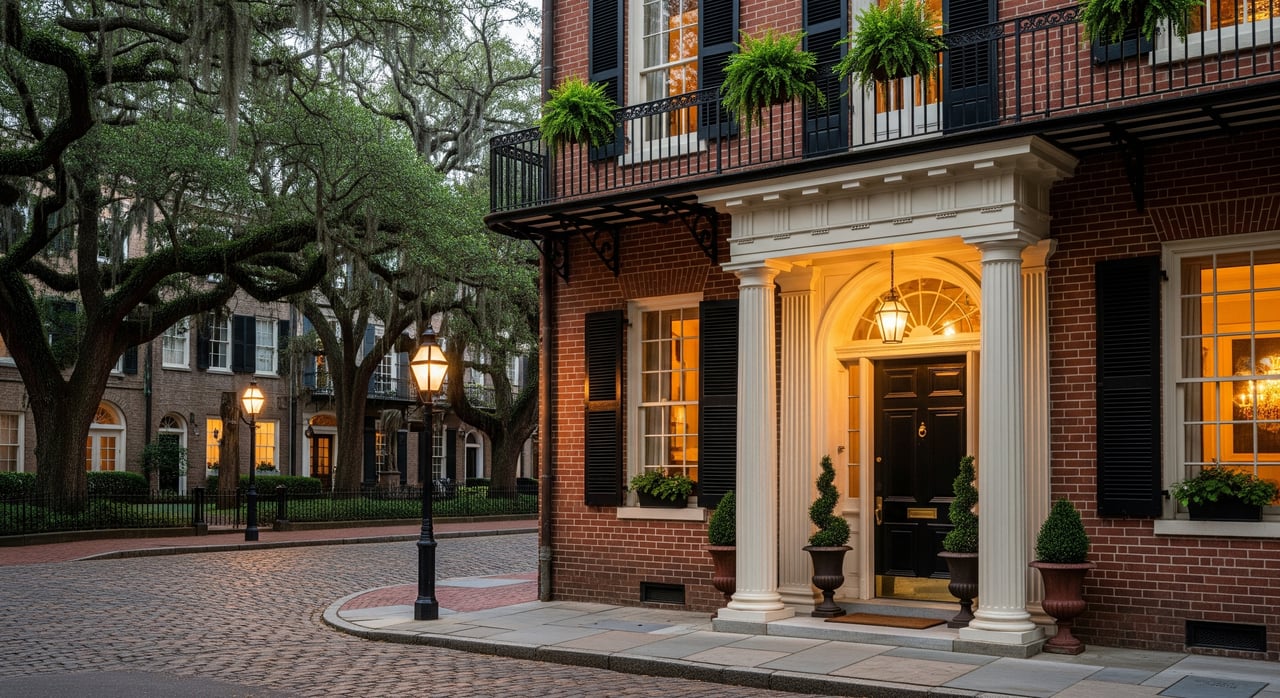
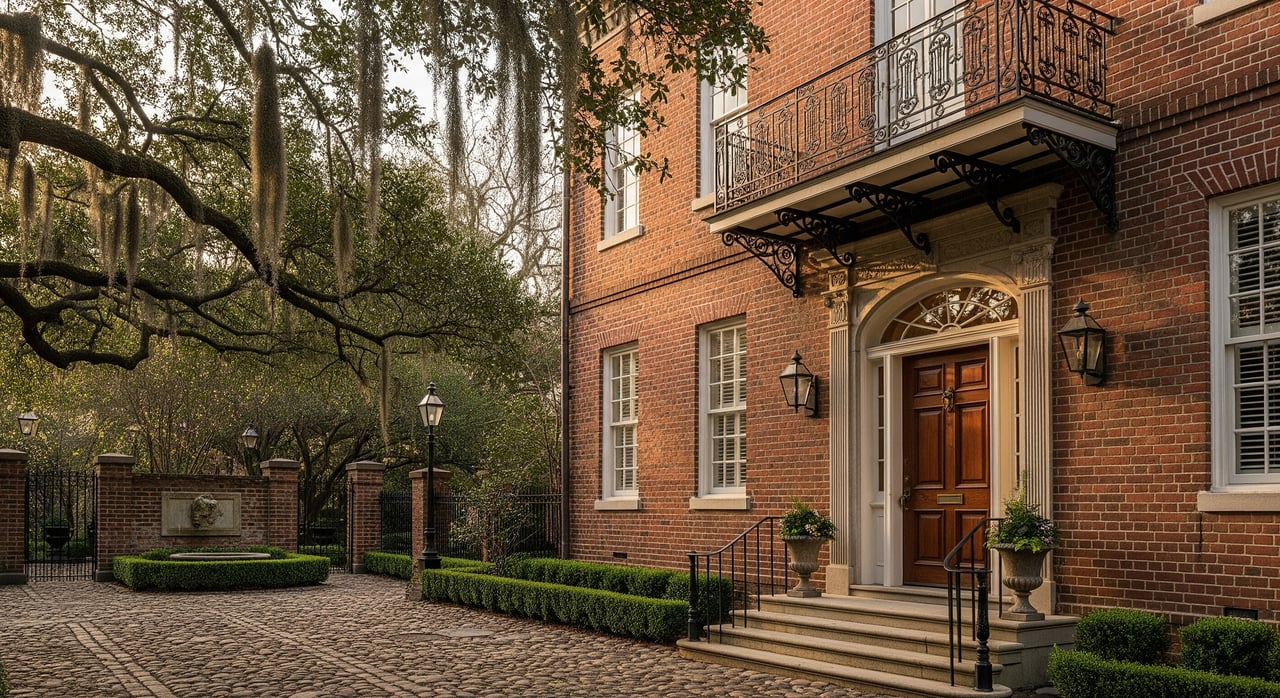
- Condominiums: Classic lock-and-leave setups, especially in the Historic District and islands. Many downtown condo conversions, like units at a Historic District building such as Park House, are marketed as turnkey with monthly association fees that handle common elements. Explore an example of a Historic District condo marketed as turnkey at a building like Park House for context (view a representative listing).
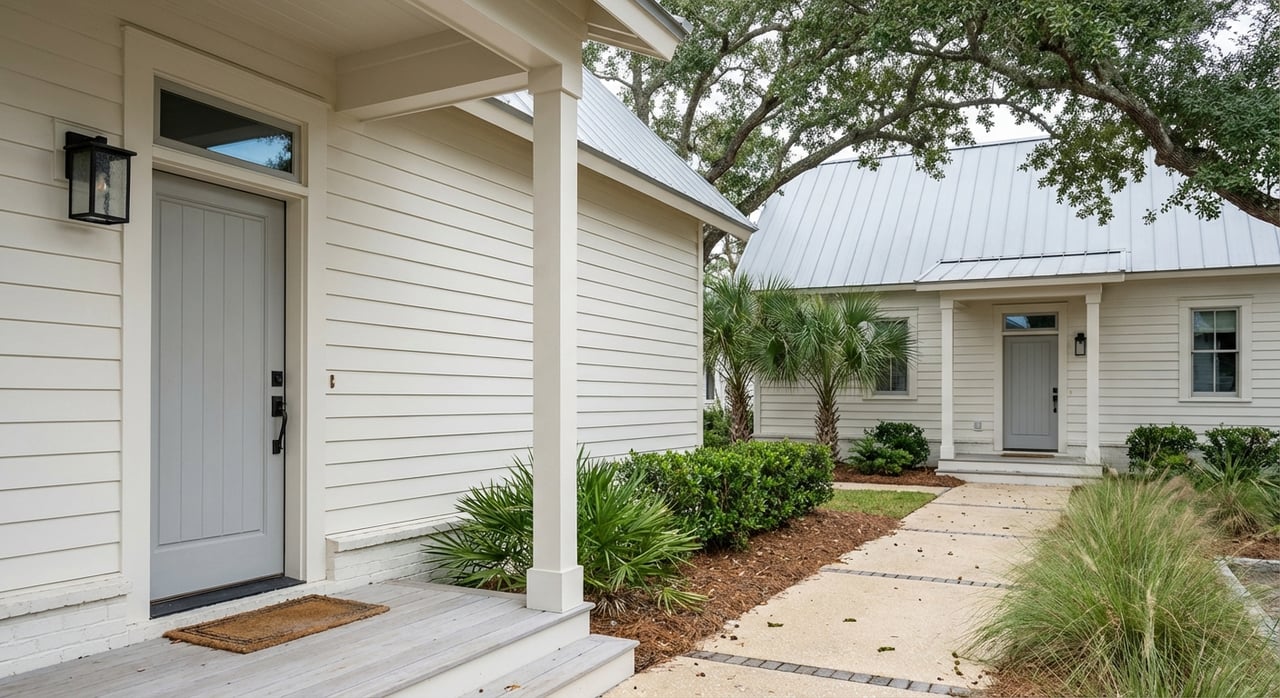
- Townhomes and paired villas: In master-planned neighborhoods, some sub-HOAs cover lawn care, exterior maintenance, and termite bonds. Westbrook at Savannah Quarters is often advertised as true lock-and-leave with lawn care, pressure washing, and termite bond included (see a representative paired-villa example).
- Master-planned and gated communities: Larger communities manage roads, entry landscaping, trail systems, marinas, and amenities. The Landings on Skidaway Island is a well-known example with extensive common-area services and private infrastructure management (learn about The Landings).
- Active-adult/55+ neighborhoods: Amenity-rich and designed for ease, with many exterior items handled by the HOA. Del Webb Savannah at Heartwood in Richmond Hill offers resort-style living with low-maintenance design; note that it’s in Bryan County, just outside Chatham (see Del Webb Savannah at Heartwood).
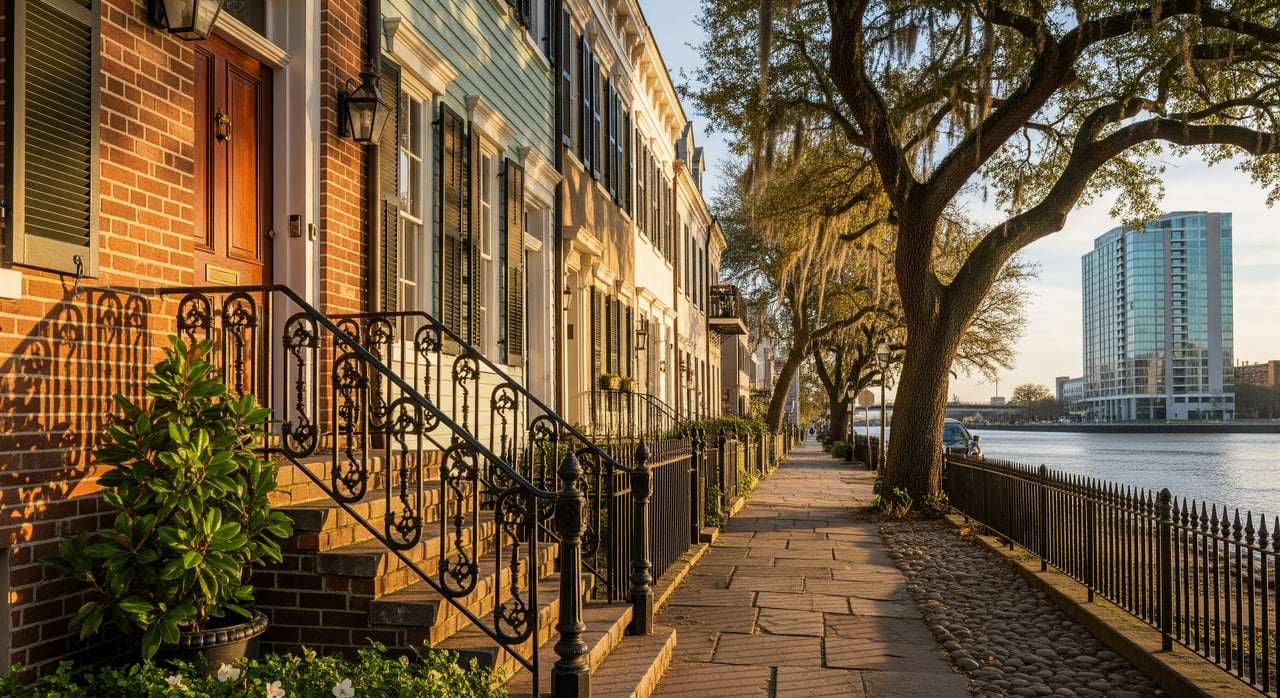
- Waterfront and island condos: On Wilmington Island and approaches to Tybee, many complexes handle grounds, pools, and sometimes marina maintenance. Fees tend to be higher to support coastal amenities.
Who low-maintenance living fits
If you value free time over home chores, these homes can be a great fit. Busy professionals appreciate outsourced exterior care. Frequent travelers like the peace of mind that comes with staffed gates or on-site management. Many downsizers and 55+ buyers value single-level floor plans, community events, and not worrying about roofs or lawns.
Local examples and typical costs
Your monthly or annual HOA fee will reflect the level of services and amenities. Here are a few Savannah-area scenarios to consider:
Downtown Historic District condo
Smaller urban condos often have modest monthly fees when they cover building common areas rather than large master-community infrastructure. One Historic District listing showed an HOA around $295 per month, a helpful benchmark for a turnkey city pad (see a representative Historic District condo).
Townhome or paired villa in Savannah Quarters
Within large master plans like Savannah Quarters, HOA scopes vary by neighborhood and sub-HOA. Some areas list annual HOA charges roughly in the $1,100 to $1,800 per year range, depending on included services. Paired villas in Westbrook have advertised inclusions like lawn care, pressure washing, and a termite bond, giving you a close-to-single-family feel without the upkeep (read a community overview of Savannah Quarters and a paired-villa example at Westbrook: listing snapshot).
The Landings on Skidaway Island
This private, gated community operates roads, streetlights, trails, and numerous amenities. You get comprehensive common-area management that shifts much of the exterior burden away from owners, at fees that match the higher service level (learn about The Landings’ scope).
55+ at Del Webb Savannah at Heartwood
This new active-adult community in nearby Richmond Hill blends single-level living with lifestyle programming and low-maintenance design, ideal for downsizers seeking an amenity-first environment. Remember it sits outside Chatham County, though still part of the wider Savannah metro (see community details).
What to check before you buy
Low-maintenance only works if the HOA is structured and funded to deliver those services. A careful review up front helps you avoid surprises later.
Confirm what your fee covers
Ask for a written breakdown so you know exactly what’s included. Typical items to clarify: lawn and irrigation, exterior painting, gutters, siding repairs, roof maintenance or replacement, termite bond, pressure washing, and small exterior components like garage doors. You’ll see example language in local lock-and-leave listings that spell out items like lawn care, termite bond, and pressure washing (see a representative example at Westbrook).
Review HOA documents and financial health
Request these early and read them closely:
- CC&Rs, bylaws, and rules: define responsibility for roofs, siding, gutters, irrigation, and pest control.
- Current budget, financial statements, and reserve study: underfunded reserves often lead to special assessments.
- Meeting minutes (12–24 months): recurring maintenance issues or pending capital projects are key flags.
- Estoppel or resale certificate: confirms dues, assessments, and delinquency rates.
- Insurance declarations: know if the master policy is bare-walls or walls-in, and whether flood coverage exists for waterfront buildings. For a handy reference on what to request and why, review this breakdown of HOA documents and red flags (guide to HOA due diligence).
Financing and project eligibility
If you need a mortgage for a condo, confirm early whether the project is warrantable. Lenders look at owner-occupancy ratios, reserves, insurance, and any litigation. A non-warrantable project can limit financing options or raise down-payment needs. You or your lender can check status and documentation needs using Fannie Mae’s tool (Fannie Mae Condo Status Finder).
Flood risk and building elevation
Coastal Savannah brings real flood considerations. The City adopted a two-foot freeboard above Base Flood Elevation for new or substantially improved structures effective January 1, 2025. Always confirm the flood zone, request an elevation certificate if needed, and price out both HO-6 and flood insurance so your true monthly cost is clear (Savannah Flood Protection Information).
Short-term rental rules
If you plan to offset costs with short-term rentals, verify rules before you buy. Savannah requires a Short-Term Vacation Rental certificate and has caps and overlay rules in the Downtown and Victorian Historic Districts, with owner-occupied exceptions and insurance requirements. Permit availability can be limited (review Savannah’s STVR regulations).
55+ community compliance
Communities that claim a 55+ exemption must follow HOPA standards, including the 80 percent occupancy rule and age-verification processes. If you’re shopping active-adult homes, ask management to confirm policies and verification schedules (overview of HOPA rules).
Quick buyer checklist
Use this list to move forward with confidence:
- Get a written list of exactly what the HOA fee covers: lawn and irrigation, exterior paint, gutters, siding, roof, termite bond, pressure washing, and any small exterior components.
- Request CC&Rs and rules, current budget and financials, the most recent reserve study, estoppel/resale certificate, 12–24 months of meeting minutes, and the master insurance declarations (what to ask for and why).
- Scan minutes for special assessments, dues increases, or upcoming capital projects.
- Ask your lender early about the project’s warrantability and needed documentation; confirm status with Fannie Mae’s tool (Condo Status Finder).
- Verify flood zone and elevation, then get HO-6 and flood insurance quotes; note Savannah’s two-foot freeboard effective January 1, 2025 (flood info and mapping resources).
- If considering short-term rentals, confirm permit rules, overlays, caps, and insurance requirements (STVR regulations).
- For 55+ communities, confirm HOPA compliance and any guest or caregiver rules (HOPA overview).
Bottom line
Savannah offers low-maintenance options across many product types: downtown condos, master-planned townhomes and villas, gated island communities, and active-adult neighborhoods. The key is understanding what your HOA legally covers and whether the community’s finances, flood exposure, and project eligibility match your goals. Verify inclusions and reserves, check flood and insurance requirements, and confirm financing paths before you rely on any “maintenance included” promise.
Ready to find a low-maintenance home that fits your lifestyle? Reach out to Homes by TLC - Taylor Lomprez for local guidance, on-the-ground tours, and a smooth, transparent process.
FAQs
What types of low-maintenance homes exist in Savannah?
- You’ll find condos, townhomes or paired villas in master plans, gated island communities, and 55+ neighborhoods, each with different HOA services and fees.
How much are typical HOA fees for Savannah condos?
- Small Historic District condos can show fees around a few hundred dollars per month, while waterfront or amenity-heavy complexes often run higher to support services.
Which documents should I review before buying into an HOA?
- Ask for CC&Rs, rules, the current budget and financials, a reserve study, recent minutes, the estoppel or resale certificate, and the master insurance declarations.
How does flood risk affect Savannah low-maintenance homes?
- Flood zones and elevation can change insurance costs and lending needs; Savannah also adopted a two-foot freeboard for new or substantially improved structures in 2025.
Can I short-term rent a Savannah condo as a lock-and-leave?
- Possibly, but Savannah’s STVR program has permits, overlays, and caps, especially downtown; always verify rules and availability before you buy.
What should 55+ buyers confirm in an active-adult community?
- Confirm HOPA compliance, how the 80 percent occupancy rule is verified, and any policies for long-term guests or caregivers.