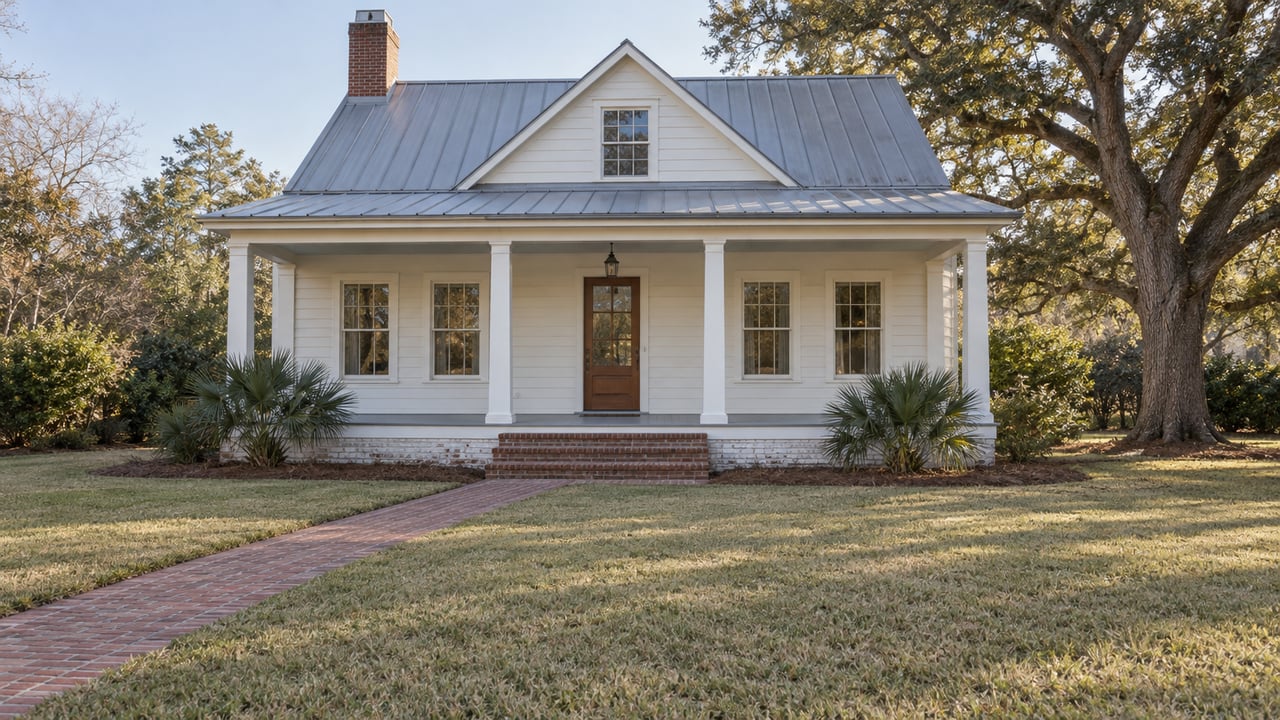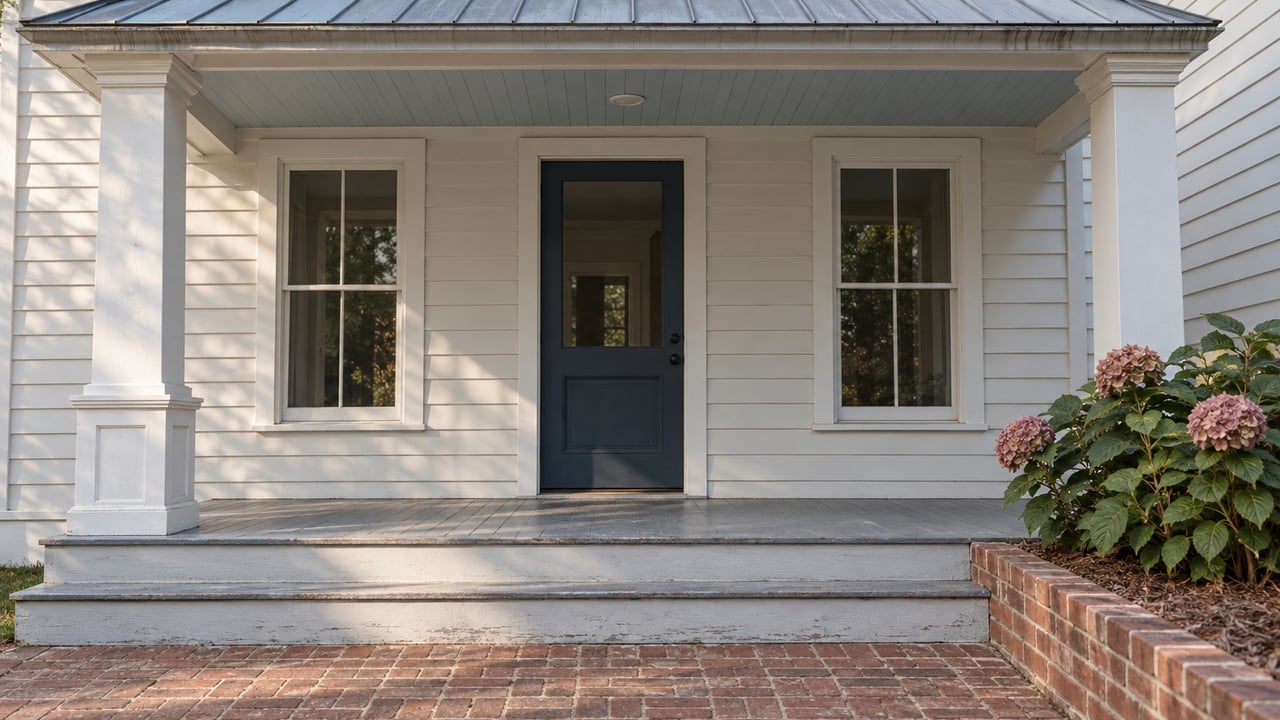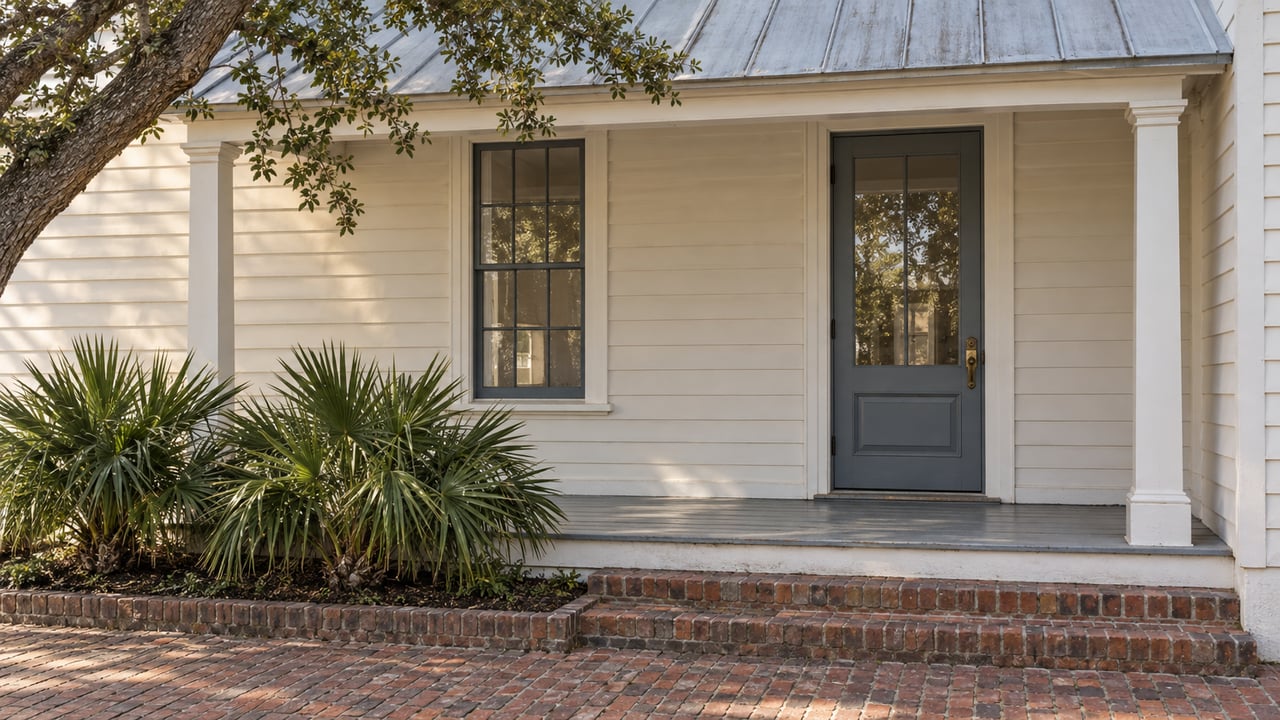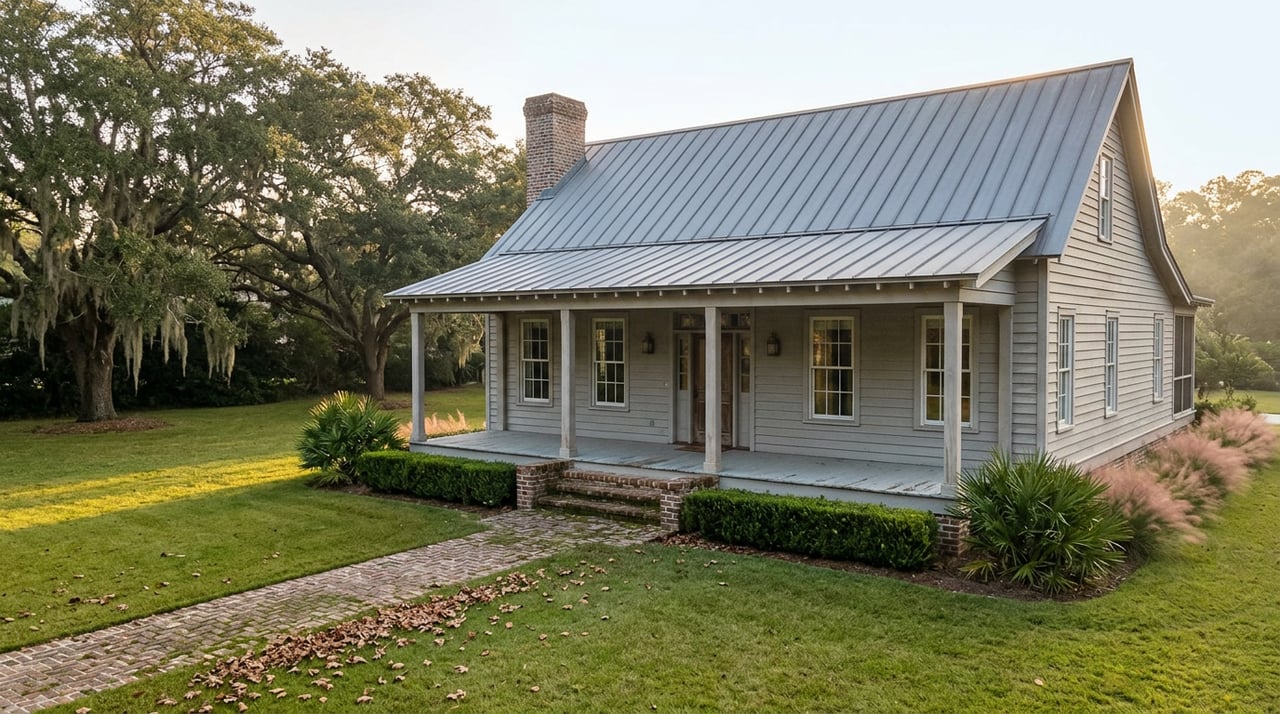
Thinking about moving to Savannah in the next 90 days? You can make it happen with a calm, organized plan. Between historic districts, island bridges, and hurricane season, there are a few local twists you should account for. This guide gives you a clear timeline, Savannah‑specific checklists, and smart tips for both civilian and military moves so you arrive prepared and confident. Let’s dive in.
Your 90-day plan at a glance
You’ll work in four windows: 90–61 days, 60–31 days, 30–15 days, and 14–0 days. In each stage, you’ll make decisions in this order: budget and financing, neighborhood short list, home selection and inspections, movers and logistics, and final move‑day details. If you are a military family, layer in PCS and VA requirements early.
90–61 days: set your foundation
Financing and benefits
Get pre‑approved and clarify any VA eligibility right away. Gather pay stubs, tax returns, bank statements, photo ID, and (if applicable) military orders. Early pre‑approval guides your search and helps you write stronger offers.
Agent and virtual touring
Hire a Savannah‑based agent who understands long‑distance and PCS timelines. Ask for live video walkthroughs, 3D or recorded tours, and additional photos of garages, yards, and storage areas. Good virtual coverage saves you travel time and avoids surprises.
Movers and storage
Request written estimates from at least three interstate movers. Verify their USDOT and FMCSA registration and read recent complaint histories. Decide if you want full service movers, portable storage, or a rental truck. Ask about pickup and delivery windows, valuation coverage, and access issues like narrow streets or stairs.
Schools and records
If you have school‑age children, collect immunization records, transcripts, and any special education documentation. Review Savannah‑Chatham County Public School System enrollment steps and timing so you can register quickly after arrival. Confirm zone maps for specific addresses.
Risk awareness: flood, hurricane, and permits
Savannah’s coastal setting is part of its charm, but plan for risk. Check FEMA flood maps for any home you consider and get a flood insurance premium estimate early, even if your lender does not require it. If you are shopping in the Historic District or in neighborhoods with preservation rules, know that exterior changes often require permits and design review.
60–31 days: secure home and logistics
Offers and inspections
When you find a fit, submit an offer with contingencies for inspection, appraisal, and insurance availability. Schedule a general inspection and any needed specialists such as termite/WDI, HVAC, roof, sewer scope, or an elevation certificate if the property is in a flood zone.
Book movers and transport
Choose your mover and confirm dates in writing. Verify valuation coverage and the claims process. If you plan to ship a vehicle, book transport now. Ask for direct phone contacts for day‑of escalation.
Utilities and internet
Line up start/stop dates for electricity, water, gas, trash, and internet. Some island or outlying areas have limited fiber options, so confirm serviceability by address. For historic properties, confirm meter access and service‑truck parking.
Temporary housing
If your closing and delivery dates do not align, secure short‑term housing. Options include extended‑stay hotels, corporate housing, or furnished rentals. Confirm cancellation and refund policies and whether internet and utilities are included.
DMV and medical setup
Transfer prescriptions and identify local hospitals and urgent care centers. Review Georgia driver’s license and vehicle registration timelines so you can handle state ID updates soon after you arrive.
30–15 days: paperwork, packing, permits
Packing plan and essential box
Declutter and pack by room. Create a clearly labeled essentials box with documents, chargers, medications, a few tools, and first‑night supplies. Keep passports, Social Security cards, birth certificates, and closing papers with you, not on the moving truck.
Address changes and mail
Set up USPS mail forwarding. Update your address with your bank, credit cards, employer, insurance providers, subscriptions, and any benefits offices.
Historic District and parking permits
If you are moving into or near downtown, plan for narrow streets and limited curb space. Ask your agent about temporary parking permits for moving day and confirm the size of the moving truck the street can handle. Some properties have alley access that works better for unloading.
Final walkthroughs and backup plans
Confirm arrival windows with your movers and temporary housing. Have a backup plan for delayed delivery, such as a storage unit or an extended stay. Review cancellation policies for any reservations or services.
14–0 days: travel, closing, move‑day
Travel and pets
Book flights and plan ground transportation. If you have pets, arrange carriers, vaccines, and any hotel pet policies. For island living, check your route and bridge timing.
Closing and keys
Work with your closing attorney or title company to finalize documents. Confirm how and when you will receive keys, garage remotes, and parking passes.
Move‑day checklist
- Keep essential documents and medications with you.
- Be present for inventory signing and take photos of item conditions.
- Photograph the home’s condition at delivery before furniture placement.
- Verify that utilities and internet are active or have a hotspot ready.
First‑week priorities
- Register children for school and review transportation options.
- Start Georgia ID and vehicle registration steps.
- Test commute routes during peak hours.
How to choose a Savannah neighborhood
A simple framework helps you compare options quickly. For each neighborhood, collect the same facts on one page:
- Housing stock and age
- Lot size and yard expectations
- Walkability, dining, and grocery access
- Commute times to your workplace, hospitals, or Hunter Army Airfield
- Flood and future‑flood considerations and elevation
- School zone and available public/private options
- HOA presence and typical fees
- Parking and street layout
- Local permitting or preservation constraints
- Noise or nuisance factors
- Broadband and utility reliability
Quick orientation to popular areas
- Historic District and Downtown: walkable and rich in architecture; expect higher price per square foot, tourist traffic, and limited curb parking. Exterior changes often require preservation review.
- Midtown, Ardsley Park, and nearby streets: tree‑lined blocks with a range of older single‑family homes and bungalows. Maintenance needs vary by age and renovation history.
- Starland, Thomas Square, Victorian District: eclectic housing and an arts‑forward vibe with ongoing renovations and infill. Confirm zoning and any construction on nearby blocks.
- Southside and south of Abercorn: newer subdivisions and shopping access; most trips are by car. Check commute timing to downtown or medical hubs.
- Islands such as Tybee, Wilmington, Whitemarsh, and Isle of Hope: coastal living and waterways. Plan for hurricane and flood risk, bridge access, and seasonal traffic.
- Western Chatham County including Pooler, Bloomingdale, and Garden City: newer developments with quick access to I‑95, I‑16, the airport, and port‑area employers.
- Sandfly, Georgetown, and Southside corridors: mixed housing and strong highway access. Visit at peak commute times to gauge traffic.
Use the framework on a scouting trip
- Prioritize 3–4 neighborhoods based on must‑haves like commute and home style.
- Drive the route to work or HAAF during your typical commute hour.
- Visit grocery stores, pharmacies, and parks nearby.
- Check flood maps and request an elevation certificate if near tidal creeks or the coast.
- For historic homes, ask for recent permit history and any unpermitted work.
Vendors: who you need and how to vet them
Key vendor categories
- Savannah‑based real estate agent
- Lender or mortgage broker familiar with VA and flood insurance requirements
- Interstate moving company or portable storage provider
- Closing attorney/title company
- Home inspectors: general plus termite/WDI, HVAC, roof, sewer scope as needed
- Contractors and handypeople for estimates on older systems
- Auto transporters and pet relocation specialists
- Temporary housing providers
- Utility and internet installers
- Local loading/unloading labor and storage facilities
Vetting checklist
- Ask every vendor for a written estimate and itemized contract.
- Verify licensing and insurance. For movers, confirm USDOT and FMCSA registration and check recent complaints.
- Clarify cancellation and refund policies and any liability limits in writing.
- Request three recent local references.
- For time‑sensitive services, get day‑of escalation contacts.
Documents to have ready
- Pre‑approval letter or proof of funds
- ID, Social Security cards, birth certificates
- Military orders if applicable
- Vehicle title, registration, and insurance
- School records and immunizations
- Inspection reports, appraisal, survey, and elevation certificate if applicable
- Movers’ estimate, contract, and DOT numbers
Scouting trips and temporary housing
Plan a 2–5 day visit to confirm the right fit.
What to accomplish
- Drive commute routes at peak times.
- Visit public schools to learn registration steps and timing.
- Meet with your agent to tour homes and walk blocks you are considering.
- Confirm internet options at the property address and run a speed test if you can.
- Photograph curb and alley access for moving trucks; measure driveway width if needed.
- If you are considering an island or waterfront home, drive your route to the bridge and note any seasonal congestion.
Sample itineraries
- Weekend trip: tour two target neighborhoods plus one island option, meet lender, and schedule a mover’s virtual or on‑site estimate if possible.
- 3–5 day trip: add inspections or contractor walk‑throughs, school admin meetings, and time to observe midday and evening traffic.
Temporary housing options
- Extended‑stay hotels and suites for flexible arrivals n- Corporate housing with furnished units for 30–90 days
- Short‑term rentals or furnished apartments where allowed
Confirm whether utilities, internet, and parking are included and review cancellation terms.
Arrival tips and seasonal awareness
Historic District logistics
Expect narrow streets, timed parking, and limited curb space. Smaller trucks or shuttle loads may be easier. Some properties have alley service entrances that work better for unloading.
Island moves
Check bridge weight limits and traffic patterns, especially during summer. Build extra time into delivery windows.
Airport and port
Savannah/Hilton Head International Airport serves the region. The Port of Savannah is one of the largest in the U.S. and relevant if you are shipping a container or making an international move.
First‑night essentials
Activate utilities and internet before delivery if you can. If not, have a cellular hotspot ready. Photograph the home before move‑in and again after delivery for your records.
Hurricane season readiness
Hurricane season runs June through November. Prepare a basic kit, review evacuation routes, and confirm insurance effective dates. If your property is in a flood zone, plan time for an elevation certificate and review NFIP or private flood options with your insurer and lender.
Ready to make the move?
If you want a smooth, well‑timed move with clear communication and local expertise, partner with a team that guides relocations every day. From virtual touring and neighborhood orientation to deadlines and closing, you deserve a taylored plan that fits your timeline. Reach out to Homes by TLC - Taylor Lomprez to start your Savannah relocation plan.
FAQs
When should I hire a local agent and lender for a Savannah move?
- About 90 days out so you can start virtual tours, refine neighborhoods, and lock in financing early.
Do I need flood insurance when buying in Savannah?
- Lenders often require it in mapped flood zones, and many coastal properties face elevated risk, so check FEMA maps and get a premium estimate early.
Are interstate movers regulated and how do I verify them?
- Yes, by the FMCSA and U.S. DOT; ask for the mover’s DOT number, confirm registration, and review complaint history before booking.
What should I know about historic homes in Savannah?
- Expect older systems and possible preservation rules for exterior changes; plan for thorough inspections and permit history review.
How do PCS moves differ from civilian moves in Savannah?
- PCS moves run through the Defense Personal Property System with installation counseling and entitlements; confirm timelines and VA loan steps early.
How can I make virtual tours more effective from out of state?
- Request live walkthroughs plus 3D or recorded tours, floor plans, and measurements; ask for extra photos of storage areas, exteriors, and street context.