Trying to choose between a condo and a townhome in Savannah? You’re not alone. With historic charm, coastal weather, and varied HOA rules, the true cost of ownership can look very different from one property to the next. In this guide, you’ll learn how fees, insurance, reserves, and maintenance work here in Chatham County, plus what to review before you buy. Let’s dive in.
How ownership works in Savannah
Condo and townhome ownership look similar at a glance, but they are legally different and that affects your costs.
- Condominiums: You own the interior of your unit plus a fractional share of the building’s common elements. A condo association governs rules, collects assessments, and maintains common areas. Many Savannah condos are in multi-unit buildings, including historic conversions downtown.
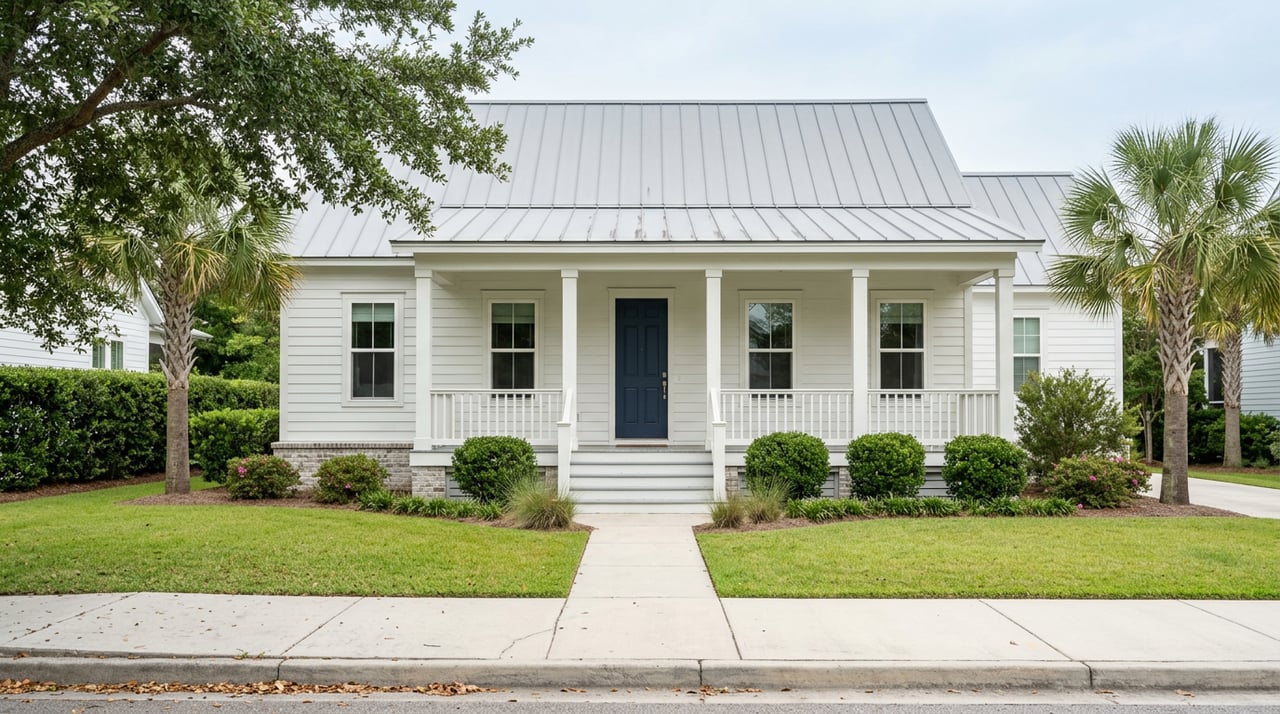
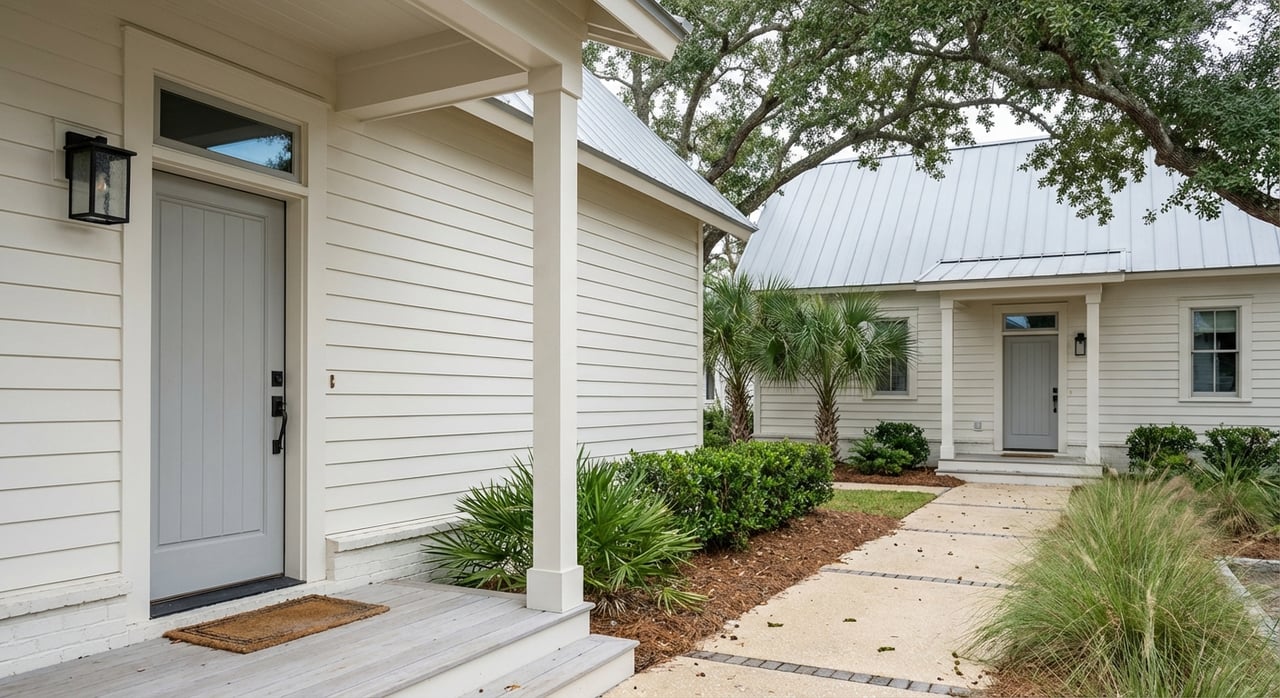
- Townhomes: You often own the structure and the land under it (fee simple). An HOA governs rules, but maintenance responsibilities vary. Some HOAs handle only shared grounds and amenities, while others also include exterior and roof.
Historic District considerations
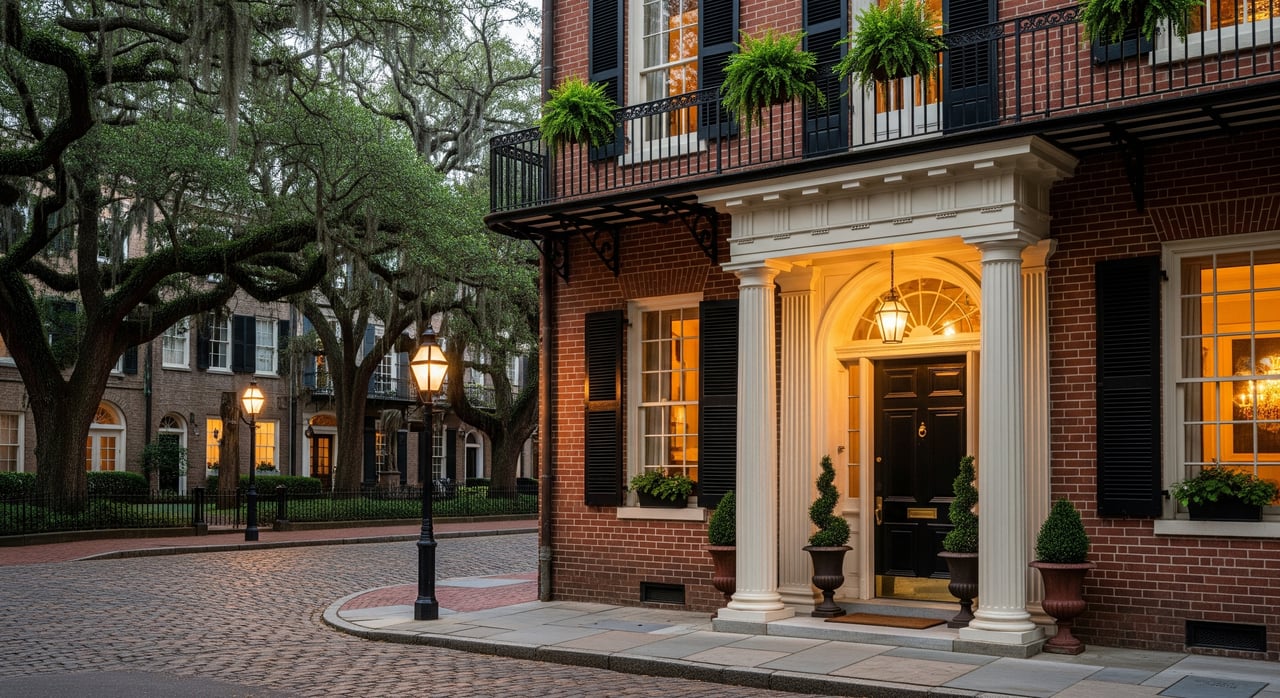
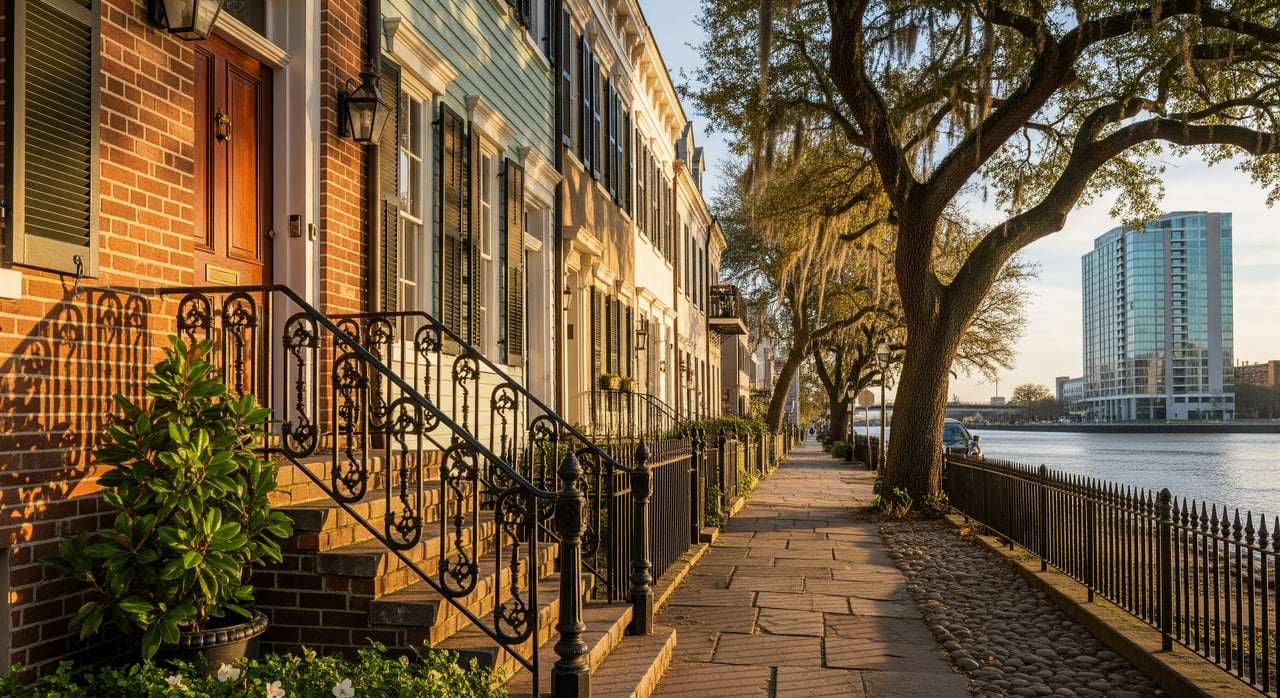
If you buy in Savannah’s Historic District, exterior changes usually require design review or a certificate of appropriateness. That extra oversight protects the character of the area, but it can add time and cost for visible repairs and replacements. Expect specialized materials and craftsmen for things like windows, masonry, and roofing.
Coastal climate and hazards
Savannah’s humidity, salt air, and hurricane exposure increase maintenance needs. Metal components, decks, and HVAC systems can wear faster, and some areas have flood risk. These realities influence HOA budgets, insurance, and reserves for both condos and townhomes.
Monthly fees and what they cover
Your monthly assessment supports the association’s operations and maintenance. What’s included depends on the building and its governing documents.
What dues usually include
- Exterior building maintenance and roof in many condos (varies for townhomes)
- Landscaping and common grounds care
- Master insurance for common areas and the building shell
- Trash service, elevator upkeep, and common-area lighting where applicable
- Amenities like pools, fitness rooms, or parking garages
- Management, accounting, legal, and pest control for common areas
What you still pay out of pocket
- Interior finishes and systems inside your unit (appliances, paint, flooring)
- Utilities that are separately metered (water, gas, electric) depending on the setup
- For many townhomes: roof, exterior, private yard, and driveway if the HOA does not cover them
What drives costs in Savannah
- Age and condition: Older or historic buildings generally cost more to maintain.
- What’s included: Dues are higher when the HOA covers roofs, exteriors, and utilities.
- Size and scale: Smaller associations spread costs over fewer owners.
- Coastal risks: Flood, wind, and salt exposure raise insurance and maintenance needs.
- Reserves: Strong reserve funding can increase dues slightly now but reduce special assessments later.
Condo dues in the Historic District can be moderate to high when they include exterior maintenance, building insurance, and centralized utilities. Many townhome HOAs outside the core have lower dues when they cover only grounds and amenities, though townhome fees can be comparable to condos if exteriors and roofs are included.
Reserves and special assessments
Healthy reserves help an association pay for big-ticket items without surprise assessments. In Savannah, that might include roofs, siding, elevators, masonry, or parking structures.
What to review before you buy
- Reserve study: Funding level, component lifespans, and recommended contributions
- Financials: Balance sheet and budget for the last 2 to 3 years
- Assessment history: Frequency and size over the past 5 to 10 years
- Meeting minutes: The last 12 to 24 months for planned capital projects or deferred maintenance
Red flags to watch
- Very low reserves in an aging or historic building
- Repeated or large special assessments
- Signs of deferred structural repairs in historic conversions, such as masonry or foundation work
Insurance: condo vs townhome in Chatham County
Insurance is a major line item in coastal Georgia. What you need depends on the property type and the association’s master policy.
What the association policy covers
- Condos: The master policy typically covers common elements and the building shell. Coverage definitions vary. Some policies are bare walls in, which means you insure interior finishes. Others are more limited. Always confirm what the master policy insures.
- Townhomes: If you own the structure and the HOA does not cover exteriors, you typically need a homeowners policy that insures the building and your personal property. If the HOA covers exteriors for a townhome, your policy may be more like a condo HO-6. Verify in the CC&Rs.
Your policy and local risk factors
- Flood: Standard homeowners and condo policies do not cover flood. If the property is in a FEMA flood zone, you will need separate flood insurance through the NFIP or a private carrier. Premiums can materially affect your total housing cost.
- Wind and hurricane: Coastal exposure can mean higher premiums and larger wind deductibles on the master policy. After a major storm, high deductibles can translate into owner assessments.
- Age and construction: Historic materials and specialty repairs can increase replacement costs and premiums.
What to ask for during due diligence
- The association’s full insurance declarations, including limits, deductibles, and the definition of an insurable unit
- Examples of recent claims and how they were handled
- Quotes from a local insurance agent for your specific policy type, including flood and wind coverage
Maintenance and Historic District realities
Who handles what depends on the governing documents. That division impacts both your monthly budget and long-term risk.
Who handles what
- Condos: Associations typically maintain the exterior, roof, common systems, and grounds. You maintain interior finishes and sometimes limited plumbing or electrical lines that serve only your unit.
- Townhomes: Varies widely. Some HOAs cover only shared areas, leaving the owner responsible for exterior and roof. Others include exteriors and roofs. Always confirm the line of demarcation in the CC&Rs.
Historic approvals and cost impacts
If your home is in the Historic District and work is visible from the street, you will likely need approval before replacing elements like windows, shutters, or roofing. Approvals can add time, and specialized materials can add cost. Older buildings may also carry higher maintenance needs such as masonry repointing, wood rot repair, or systems upgrades. Savannah’s humidity makes drainage, dehumidification, and pest control important ongoing expenses.
Which fits your priorities
Use this quick guide to align your lifestyle and budget with the right property type.
Priority: Low maintenance and exterior handled
- Likely fit: Condo (confirm exterior coverage)
- Tradeoffs: Higher dues and less control of exterior, plus assessment risk
Priority: Control of exterior and a private yard
- Likely fit: Townhome where the owner maintains exteriors
- Tradeoffs: Lower dues but higher out-of-pocket maintenance risk
Priority: Historic living and walkable character
- Likely fit: Historic District condo or townhome depending on availability
- Tradeoffs: Higher restoration costs, design review, and potentially higher insurance
Priority: Minimize insurance and flood costs
- Likely fit: Properties outside flood zones or elevated above base flood elevation
- Tradeoffs: May be farther from the core historic areas
Your next steps as a buyer
Before you make an offer, line up the right documents and experts so you understand total cost of ownership.
Due-diligence checklist
- Association documents: Declaration, bylaws, CC&Rs, rules, rental restrictions
- Financials: Current budget, last 2 to 3 years of financial statements, reserve study, and reserve balance
- Insurance: Full master policy declarations and any addenda
- Assessments: Current dues, pending assessments, and assessment history
- Building and unit reports: Structural and pest inspections, roof condition, flood elevation certificates, and any warranties
- Historic District items: Record of past approvals and any preservation easements if applicable
- Permits: History of major permitted work to confirm proper repairs
- Insurance quotes: HO-6 for condos or HO-3/HO-5 for townhomes as needed, plus flood and wind coverage estimates
Financing and offer strategy
- Lender requirements: Some lenders have stricter rules for condo projects, including reserve adequacy and owner-occupancy concentrations. Confirm project eligibility early if you need a mortgage.
- Contingencies: Keep contingencies for HOA review, insurance cost verification, and inspections that focus on historic and coastal risks.
- Negotiation: If you discover deferred maintenance or underfunded reserves, use that information to negotiate repairs, credits, or price.
Bringing it all together
If you want low day-to-day maintenance and prefer the association to handle most building responsibilities, a condo can make sense. If you prefer more control, possible outdoor space, and are comfortable budgeting for exterior upkeep, a townhome might be a better fit. In Savannah, the Historic District, flood exposure, and coastal weather are the big variables that shape total cost. When you combine a clear look at dues, reserves, and insurance with a strong inspection, you can buy confidently.
If you’d like a local review of specific HOA documents, fee structures, and insurance expectations before you tour, reach out to Homes by TLC - Taylor Lomprez. Our team helps you compare real numbers, not just listing prices, so you can choose the home that fits your budget and lifestyle.
FAQs
What costs do condo dues usually cover in Savannah?
- Typically common-area maintenance, exterior or roof in many buildings, master insurance, amenities, management, and some shared utilities. Always verify the building’s documents.
How are townhome costs different from condos here?
- Many townhome HOAs cover only grounds and amenities, so owners handle roof, exterior, and yards. Some communities include exteriors, which can make monthly dues similar to condos. Check the CC&Rs.
Do I need flood insurance for a condo or townhome in Chatham County?
- If the property is in a FEMA flood zone, you will need separate flood insurance because standard policies do not cover flood. Ask for the elevation certificate and get quotes during due diligence.
What are reserve funds and why do they matter?
- Reserves pay for major replacements like roofs, siding, and elevators. Strong reserves reduce the chance of special assessments and help stabilize monthly dues over time.
How do Historic District rules affect maintenance costs?
- Visible exterior work often requires approval, and historic-appropriate materials or methods can cost more. Plan for longer timelines and potentially higher repair budgets in historic properties.