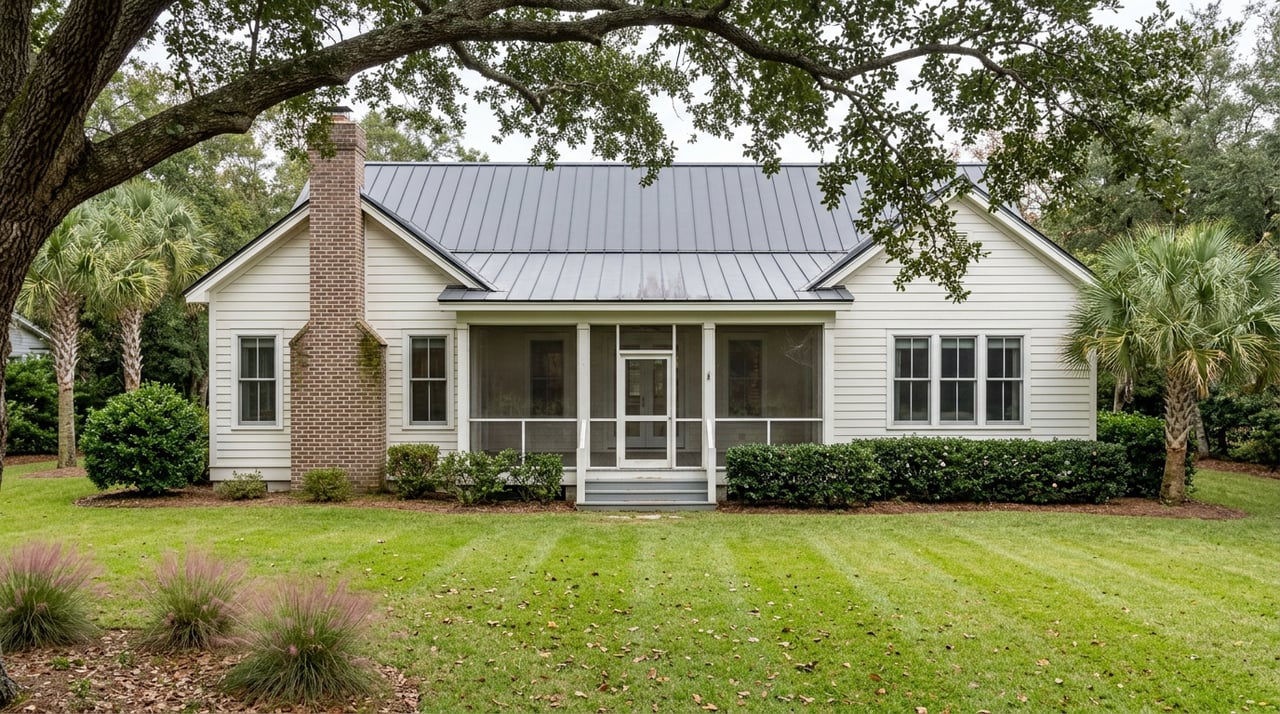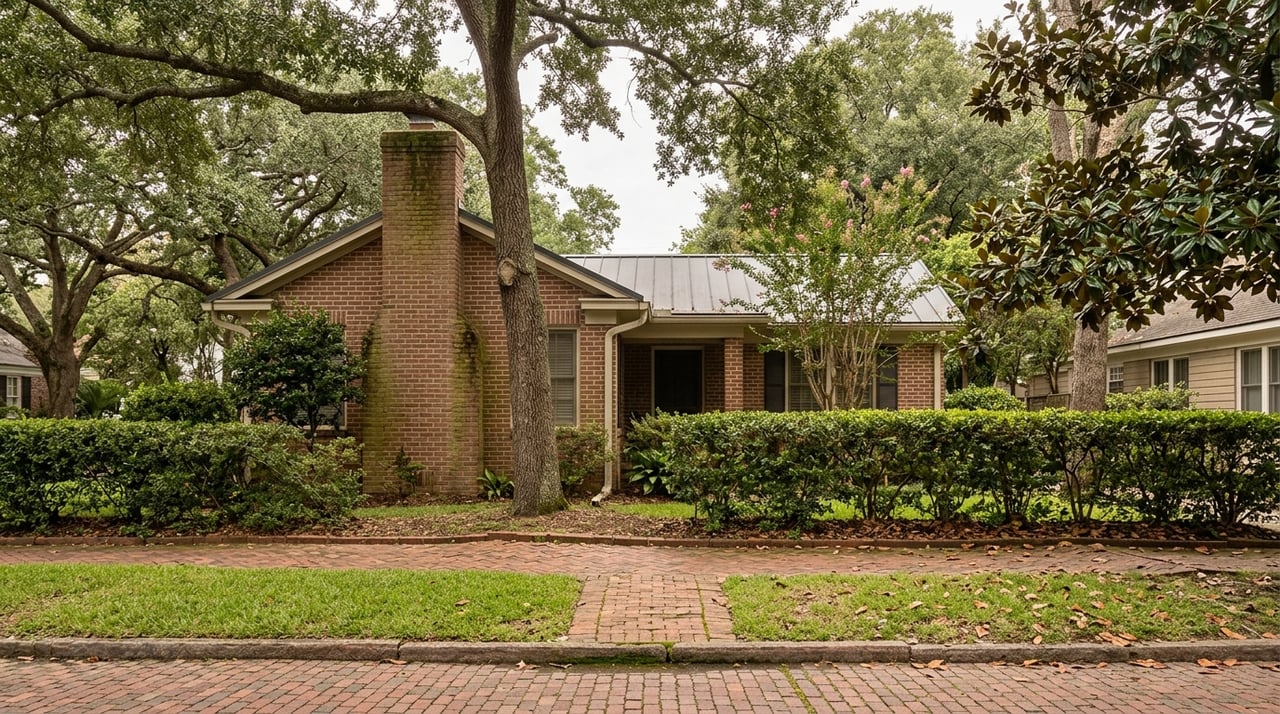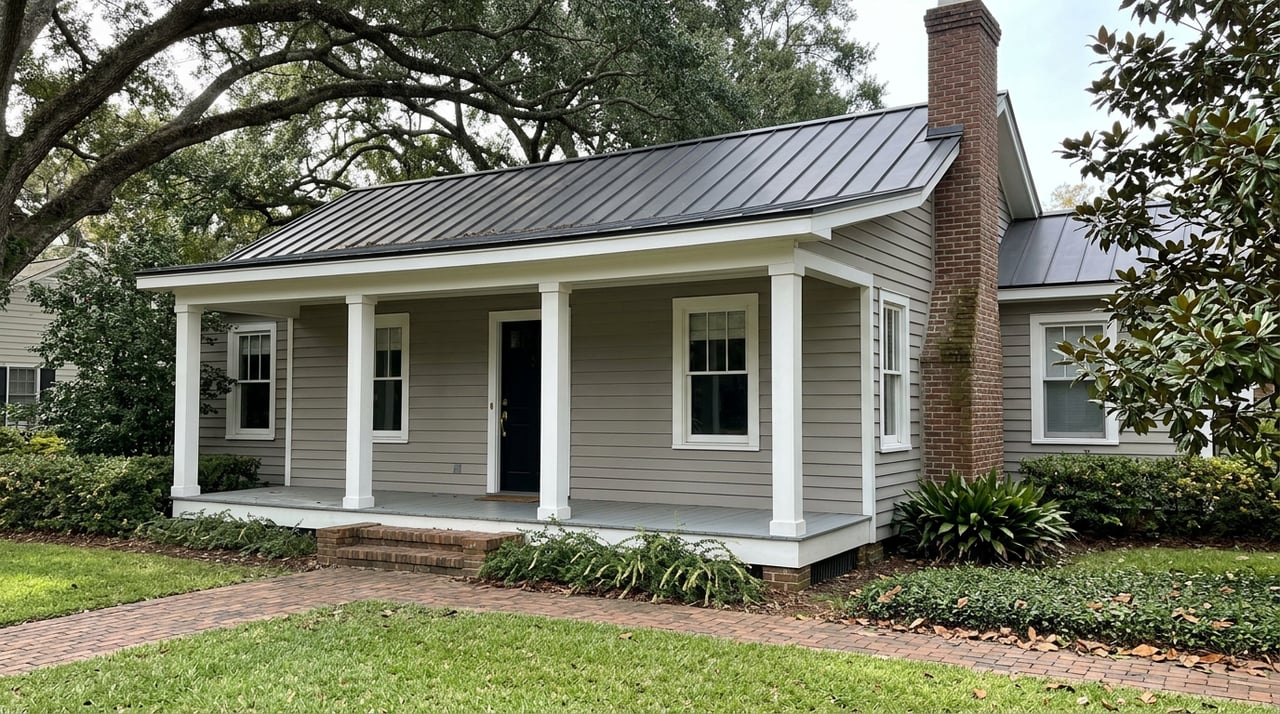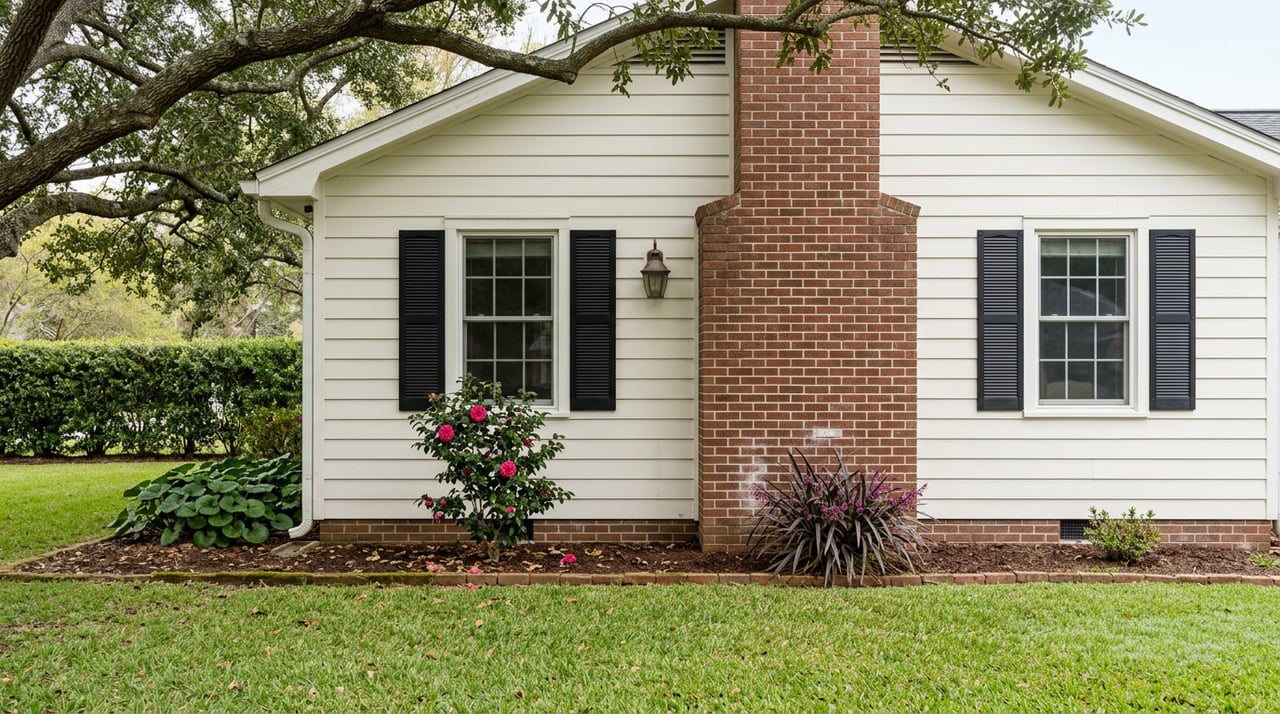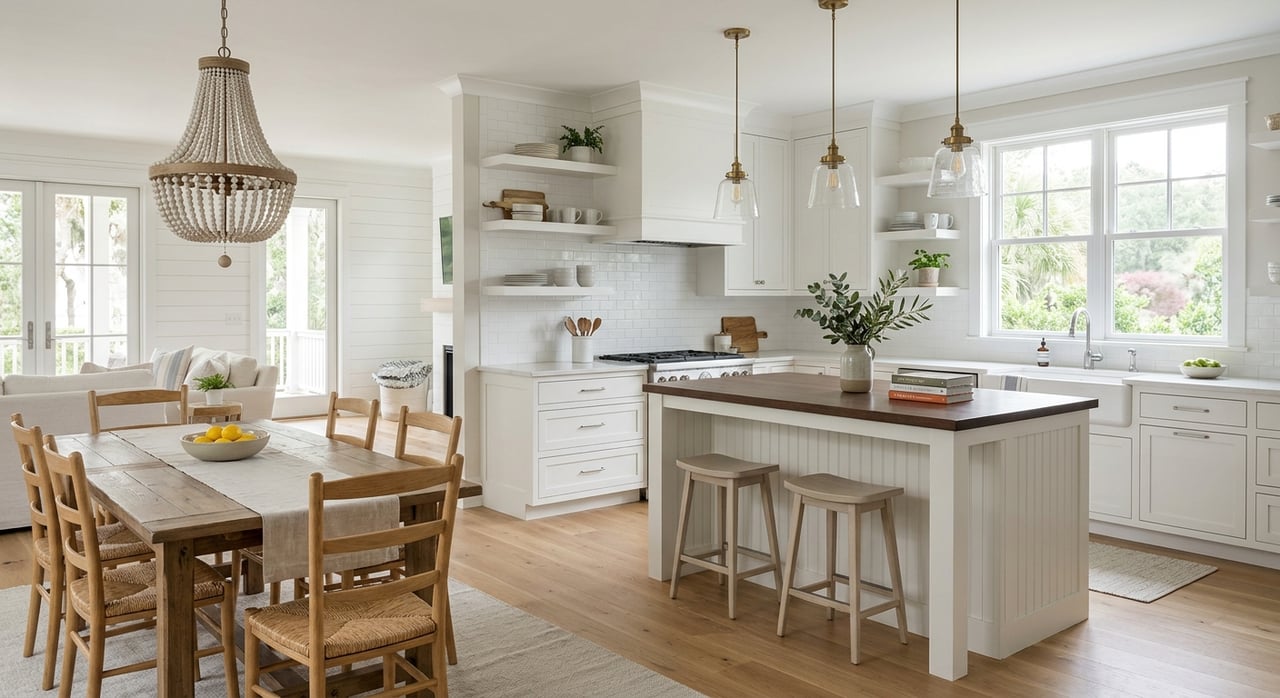
Thinking about selling your Savannah home this year? The process can feel like a lot at first, especially when you are balancing repairs, pricing, paperwork, showings, and a closing timeline that may move slower than you expect. The good news is that with the right plan, you can move from prep to closing with more confidence, fewer surprises, and a better understanding of what matters most in today’s market. Let’s dive in.
Understand the Savannah market first
Before you paint a wall or book photos, it helps to know what kind of market you are stepping into. In March 2026, Chatham County single-family homes had a median sales price of $360,000, an average of 86 days on market, and 4.9 months of inventory. Townhomes and condos had 7.8 months of inventory and a median sales price of $269,900.
That market picture suggests a more balanced environment than a fast-paced seller’s market. Buyers may have more time to compare options, and sellers may need stronger pricing and presentation to stand out. If you are selling a condo or townhome, that extra inventory can make preparation and marketing even more important.
Check Savannah-specific property issues
Savannah has a few local factors that can affect your prep work. The City of Savannah notes that A, AE, and AH flood zones are common, and many acres in Chatham County are floodplains. If your property is in or near one of these areas, buyers may ask questions early about flood risk and related costs.
If your home is in one of Savannah’s historic districts, exterior updates may also require extra attention. The city says a Certificate of Appropriateness is required for exterior changes visible from the public right-of-way in historic districts. That means you should confirm historic-district status before starting visible repairs, paint changes, or curb appeal projects.
Price your home with strategy
Pricing is one of the most important decisions you will make. A smart pricing approach usually looks at your home’s size, location, amenities, and condition, then compares it to recent comparable sales and current market conditions.
Your timeline matters too. If you want to move quickly, a more competitive asking price may help attract stronger early interest. If you have more flexibility, you may choose a higher price point, but in a balanced market, overpricing can slow momentum and lead to more price reductions later.
Focus on the updates that matter most
You do not need to renovate everything before listing. The goal is to make the home feel clean, well cared for, and easy for buyers to understand. In many cases, simple work has the biggest impact.
Start with the basics:
- Deep cleaning
- Decluttering
- Touch-up paint in neutral tones
- Minor repairs you have been putting off
- Trimming landscaping and freshening the entry
- Removing bulky or extra furniture
If your budget is limited, focus on the rooms buyers tend to notice most. In NAR’s 2025 staging report, 83% of buyers’ agents said staging made it easier for a buyer to visualize the property as a future home. The living room, primary bedroom, and kitchen were the top rooms to prioritize.
Consider a pre-sale inspection
A pre-sale inspection is optional, but it can be a useful step if you want fewer surprises later. It may identify concerns with the roof, structure, plumbing, electrical system, HVAC, ventilation, and insulation. It can also flag health-related issues such as mold, radon, lead paint, or asbestos.
Even if you do not plan to fix every issue, knowing about them early helps you prepare for negotiations. If a major repair comes up, getting a cost estimate can help you decide whether to repair it before listing or account for it when offers come in.
Gather documents before you list
One of the easiest ways to reduce stress is to get organized early. Sellers often wait until they are under contract to start hunting for warranties, manuals, HOA details, and disclosure information. That can create avoidable delays.
Before your home goes live, try to gather:
- Appliance and system manuals
- Repair receipts and warranties
- HOA or condo association dues information
- Any known special assessment information
- Property records you may need for disclosures
- Lead-based paint information for pre-1978 homes
For homes built before 1978, federal law requires sellers to disclose known lead-based paint hazards before the contract is signed. Sellers must also provide any related records or reports and give the buyer a 10-day opportunity to conduct a lead inspection or risk assessment.
Know what Georgia sellers disclose
Georgia follows a buyer-beware standard, often called caveat emptor. In practice, that means seller disclosure forms are based on your actual knowledge and belief, rather than a warranty that the home is free of defects.
That does not mean disclosures are casual. It means you should answer carefully, honestly, and based on what you truly know. If your home is part of an HOA or condo association, it is also smart to confirm dues and any special assessments early, since those details can affect the transaction as closing gets closer.
Build a strong listing launch
Once the home is ready, your listing strategy should support the price. Marketing can include professional photography, staging, social media, signage, open houses, and MLS exposure. Broad exposure matters because it helps your home reach more buyers right away.
Presentation matters just as much as reach. Good photos, a clean home, and a polished first weekend on the market can shape buyer perception early. NAR also notes that a first open house the weekend after the listing goes live can help maximize exposure, depending on local competition and scheduling.
If the home is vacant, virtual staging may help buyers understand the layout and potential use of space. But any photo enhancements that materially alter the property should be disclosed so buyers are not misled.
Review offers beyond the top price
It is easy to focus on the highest number, but the best offer is not always the highest one. Cash offers may help speed up the sale, while financed offers may involve more lender and appraisal steps. Contingencies also matter.
When comparing offers, look at the full picture:
- Purchase price
- Financing type
- Inspection terms
- Repair requests or credits
- Appraisal terms
- Closing timeline
- Any special contingencies
A slightly lower offer with cleaner terms may put you in a stronger position than a higher offer with more risk. This is where negotiation strategy can make a major difference.
Prepare for inspections and repair talks
After you accept an offer, the process usually shifts into due diligence, inspections, and final paperwork. If the buyer’s inspection finds issues, the transaction does not automatically fall apart. More often, the next step is a repair, credit, or price adjustment conversation.
Keep records of any agreed repairs and make sure work is completed as promised. Buyers are expected to inspect the home and confirm agreed repairs before closing, so clear documentation and reasonable access can help keep the process on track.
Expect an attorney-led Georgia closing
Georgia has a distinct closing process compared with some other states. A duly licensed Georgia attorney must prepare or facilitate the execution of a deed of conveyance and close a real estate transaction. In Savannah, that means you should expect a Georgia closing attorney to play a central role in the final transfer, title documents, and disbursement of funds.
This attorney-led structure is one reason it helps to stay ahead on paperwork. Once you are under contract, your closing timeline may include title work, deed preparation, payoff coordination, and final recording requirements that need to be completed correctly and on time.
Understand Chatham County closing details
In Chatham County, the Clerk of Superior Court handles real estate recording. The county says deeds conveying property must have a PT-61 attached, and documents must be witnessed and notarized before filing.
There are also transfer tax rules to keep in mind. Georgia’s Department of Revenue says the real estate transfer tax is $1 for the first $1,000 of sale price, plus 10 cents for each additional $100 or fraction. By default, the seller is liable for this tax, although the contract can assign it differently if both parties agree.
If you are an out-of-state owner or a nonresident seller, Georgia may also require a 3% withholding on the sale or transfer of real property. Some sellers qualify for exemptions, so this is an item to address early if it applies to your situation.
Watch the timing near closing
As closing gets closer, details matter more. If the buyer is financing the purchase, the lender must provide the Closing Disclosure at least three business days before closing. That final stage may include the buyer’s walkthrough, confirmation of repairs, and a review of the final figures.
In Chatham County, property taxes are due November 15. If your sale is closing later in the year, tax payoffs and prorations should be reviewed early so there are no last-minute surprises.
Stay alert for fraud and suspicious offers
Savannah sellers should also stay cautious about unsolicited offers and title-related requests. Georgia’s consumer protection page says a 2025 law requires identity validation when a title deed or other real estate record is filed. The state also notes that certain unsolicited real estate solicitations must warn that the offer may not reflect fair market value.
If you receive aggressive mailers, cash-now pitches, or unusual requests tied to your deed or title, pause before signing anything. Verifying the source can help protect you from fraud and from accepting terms that do not align with your goals.
A simple Savannah selling timeline
If you want to keep the process straight, follow a practical sequence. In most cases, the cleanest path is to prepare first, then launch with purpose, then stay organized through closing.
A simple seller roadmap looks like this:
- Review market conditions and your timing goals.
- Check flood-zone and historic-district considerations.
- Price the home using condition, comps, and competition.
- Handle repairs, cleaning, staging, and curb appeal.
- Gather disclosures, HOA details, warranties, and manuals.
- Launch with strong photos and broad MLS exposure.
- Compare offers based on total terms, not just price.
- Work through inspections, repair discussions, and final paperwork.
- Close with a Georgia attorney handling deed and transfer steps.
Selling a home in Savannah is rarely just about putting a sign in the yard. It is about pricing with care, preparing with purpose, and staying ahead of the local details that can affect your timeline. If you want a clear plan, responsive guidance, and modern marketing support from start to finish, connect with Homes by TLC - Taylor Lomprez.
FAQs
What is the current home selling pace in Savannah, Georgia?
- In March 2026, single-family homes in Chatham County averaged 86 days on market, which points to a more balanced pace than a highly competitive seller’s market.
What should Savannah home sellers know about flood zones?
- The City of Savannah says A, AE, and AH flood zones are common, so sellers should confirm flood-zone status early because buyers may ask about it during the sale process.
What should Savannah historic district sellers check before making updates?
- If your home is in a historic district, the City of Savannah says exterior changes visible from the public right-of-way may require a Certificate of Appropriateness.
Do Georgia home sellers need to complete a seller disclosure?
- Georgia seller disclosures are generally based on the seller’s actual knowledge and belief, not a warranty of the home’s condition.
Who handles a home closing in Savannah, Georgia?
- Georgia requires a licensed Georgia attorney to prepare or facilitate the deed of conveyance and close the real estate transaction.
What recording steps apply to home sales in Chatham County?
- Chatham County says deeds conveying property must include a PT-61 and must be witnessed and notarized before filing.
How is Georgia real estate transfer tax calculated for sellers?
- Georgia’s transfer tax is $1 for the first $1,000 of sale price, plus 10 cents for each additional $100 or fraction, and the seller pays by default unless the contract says otherwise.
Should Savannah sellers accept the highest offer automatically?
- Not always. Offer strength can also depend on financing, contingencies, repair terms, and the proposed closing timeline.