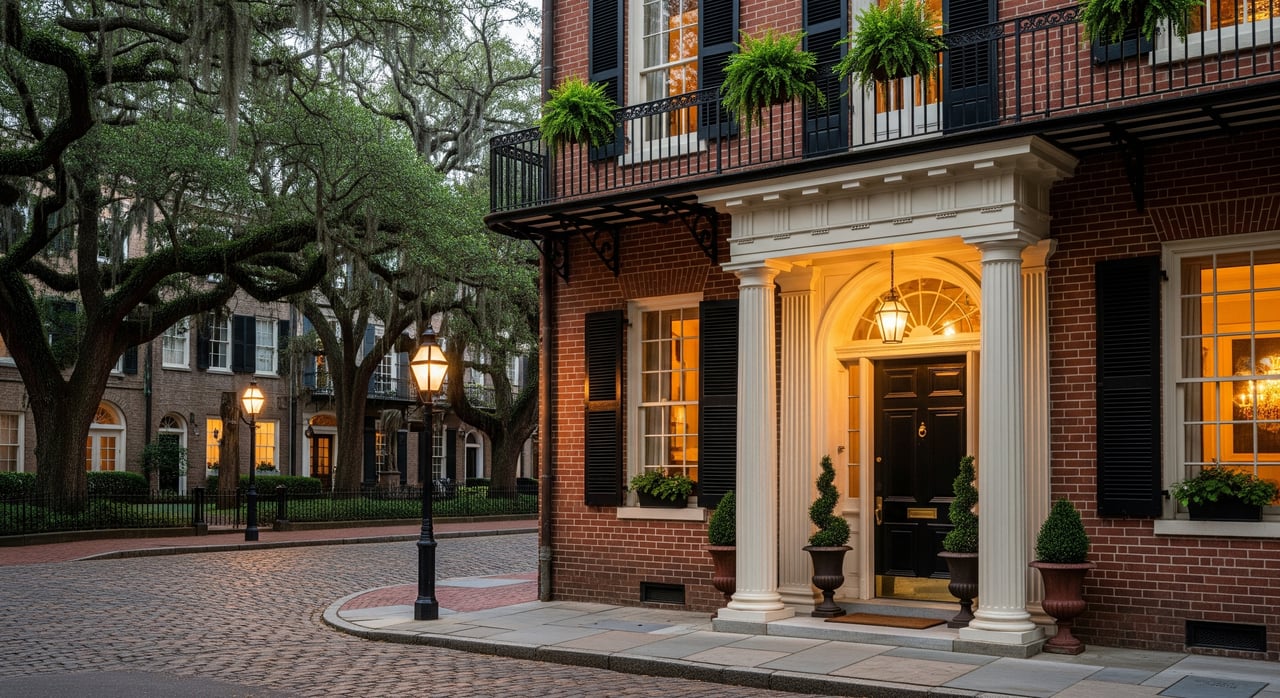
What does everyday life look like when your neighborhood is made of cobblestone lanes, leafy squares, and historic brick façades? If you are picturing morning coffee on a shaded bench and errands by foot, you are on the right track. At the same time, living in Savannah’s historic core includes real-world tradeoffs like preservation rules, tourist seasons, and older-home upkeep. In this guide, you’ll learn what daily rhythms, convenience, costs, and culture feel like in the Savannah Historic District so you can decide if it fits your lifestyle. Let’s dive in.
Historic core at a glance
The Savannah Historic District is a nationally significant area known for its formal grid of public squares and an architecture-rich streetscape. You experience this history every day: brick sidewalks, live oaks with Spanish moss, and townhomes that date to the 18th and 19th centuries. The district centers on well-known places like River Street along the Savannah River, Broughton Street and Bay Street for shops and dining, and Forsyth Park to the south.
You will meet a wide mix of neighbors. Long-time owners, renters, SCAD students, and visitors all share the area. That blend creates a lively, walkable experience, especially around parks and commercial corridors.
Getting around day to day
Walkability and short trips
Short blocks and frequent squares make walking practical for many errands. You can often reach cafés, small grocers, pharmacies, banks, and lunch spots within minutes. If you enjoy a “car-light” routine, the historic core supports it well. For larger or specialty shopping, you may still plan a quick drive.
Parking and driving
Street parking exists but can be limited near popular shops and restaurants. Many spaces use meters or time limits, and public garages serve downtown and the riverfront. During busy seasons or major events, you will find it easier to walk, bike, or use rideshare. If you plan to own a car, map out your closest garage options and study block-by-block parking rules.
Transit, airport, and rail
Chatham Area Transit runs bus routes through downtown and connects the core to surrounding neighborhoods. For regional travel, Savannah/Hilton Head International Airport is within a reasonable drive. Amtrak serves Savannah with a station outside the historic core, giving you a rail option for certain trips.
Biking and scooters
Low vehicle speeds on many streets and short travel distances make biking appealing. You will find bike lanes on select corridors and a growing culture of micro-mobility. Scooter availability can change with private operators, so check current options if that is part of your commute plan.
Homes and architecture
Styles and streetscape
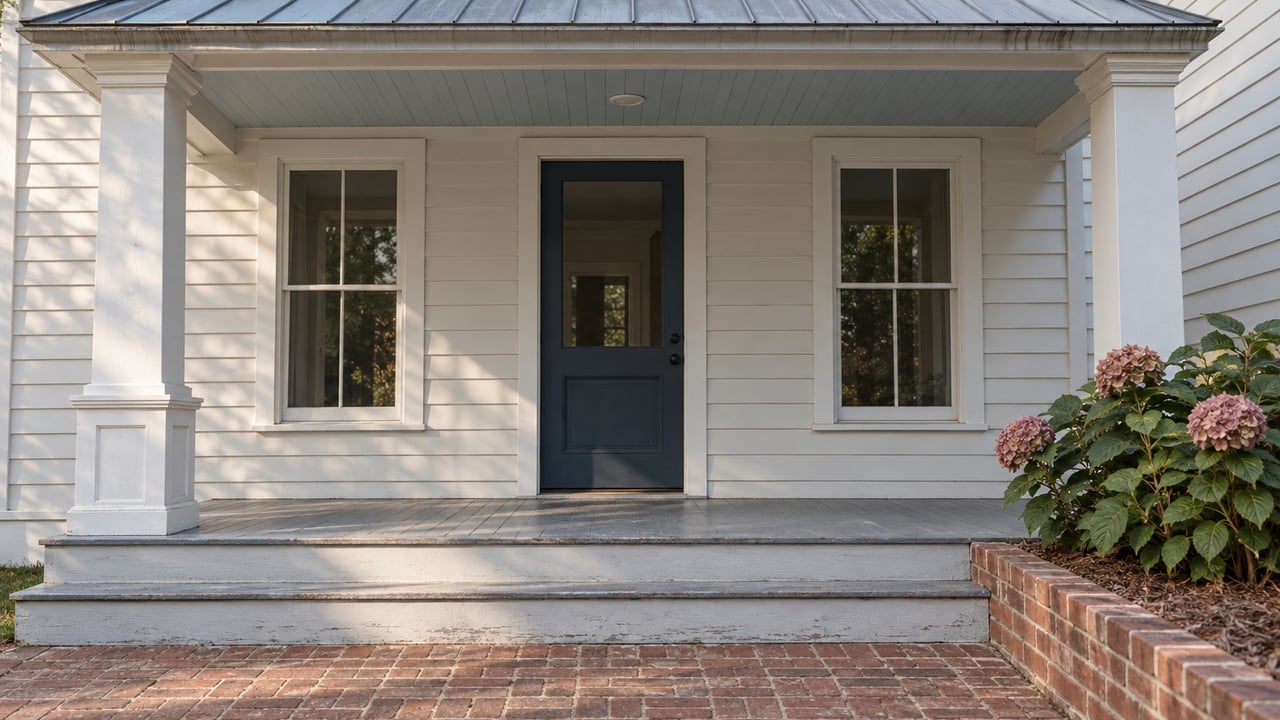
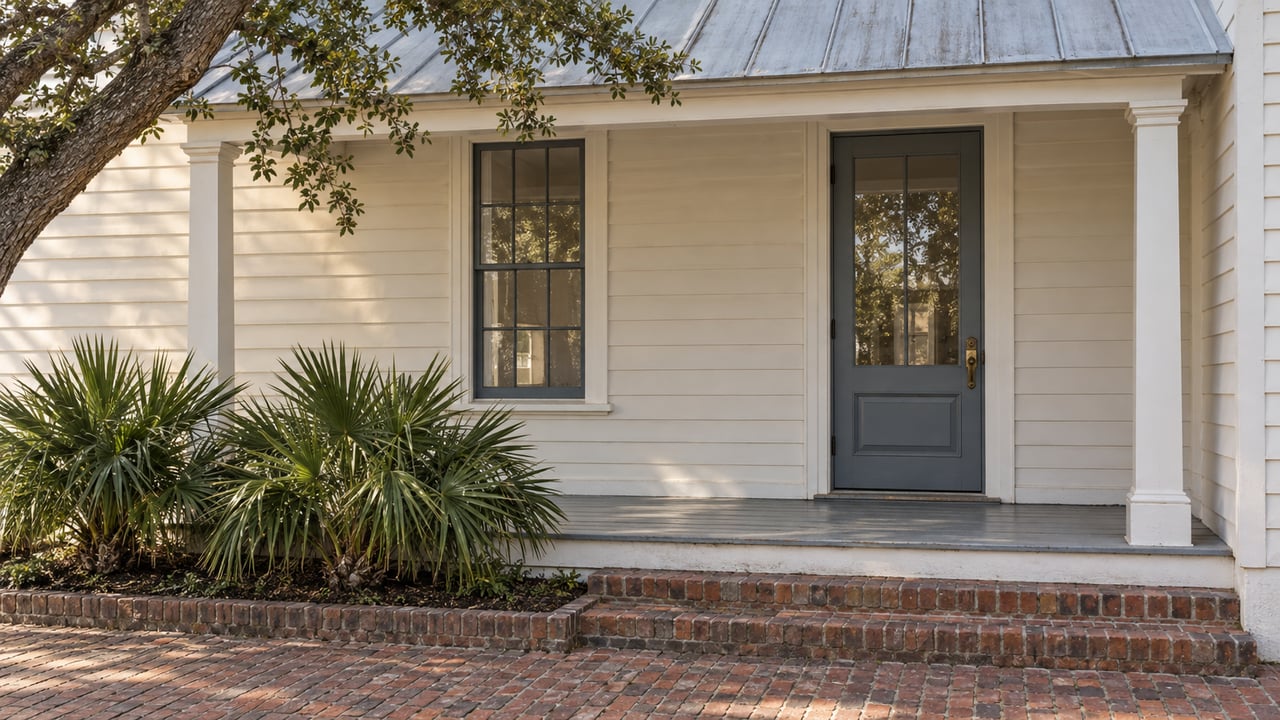
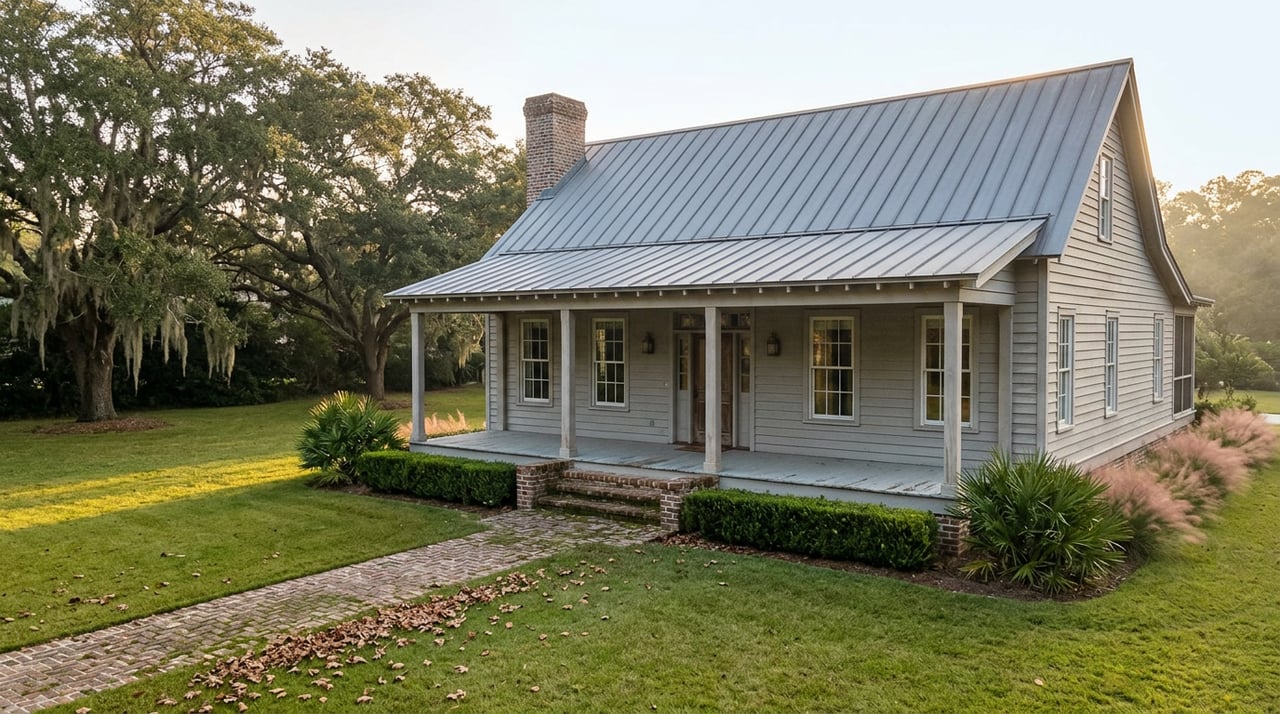
Daily life here comes with a visual backdrop of Georgian, Federal, Greek Revival, Italianate, and Victorian architecture. Cast-iron details, brick townhomes, and historic storefronts mix with later infill. The result is a cohesive, walkable fabric that looks and feels distinct in every season.
Housing types
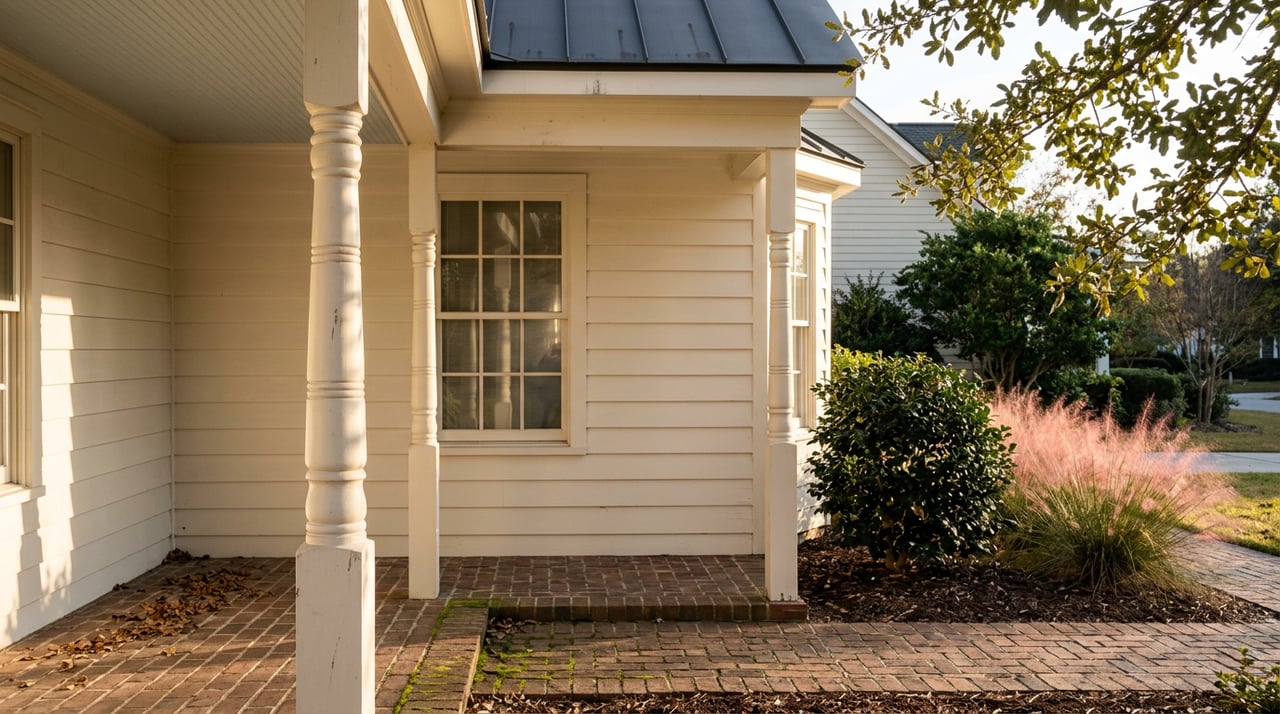
You will see a mix of historic rowhouses, townhomes with courtyards, apartments over ground-floor retail, and some single-family homes on small lots. Many properties offer charming details like iron balconies, brick garden walls, and carriage houses. Interior layouts can vary widely due to age and prior renovations.
Preservation rules
Exterior changes in the historic district are commonly subject to review and approval. That oversight protects the area’s character but adds steps and timelines if you hope to update windows, façades, roofing, or visible landscaping. Interior work is usually less regulated, though older systems and structures may require specialized contractors. If you value architectural integrity, the rules help maintain it. If you love fast exterior renovations, you will want to plan for approvals.
Daily amenities and green space
Dining and shopping corridors
Casual cafés, Southern and Lowcountry kitchens, seafood and oyster bars, bakeries, and neighborhood groceries dot the core. Broughton Street and City Market offer a range of retail and services, while River Street draws both residents and visitors for waterfront views and dining. Locally owned spots are common, and you can build a regular routine of go-to coffee shops and lunch favorites.
Squares, Forsyth Park, and the riverfront
Savannah’s small public squares are your built-in living rooms. People use them for quick breaks, dog walks, and meeting friends. Forsyth Park anchors the south end with its fountain, lawns, and walking paths. On weekends, you will often find community events like a farmers’ market or concerts. Along the riverfront, promenades and pocket parks add water views to morning jogs and evening strolls.
Arts and culture every week
The presence of SCAD brings creativity to daily life through galleries, student exhibits, and pop-up events. Local arts groups, small theatres, and live music venues add to the scene beyond visitor-focused activities. If you want a steady calendar of culture within a short walk, the historic core delivers.
Seasonality and tourism rhythm
Peak events and busy weeks
Tourism is strong year-round, with bigger surges in spring and fall. Signature moments like St. Patrick’s Day draw large crowds and street closures. The Savannah Music Festival in spring and the SCAD Savannah Film Festival in fall also increase activity. Many residents plan around these peaks by running errands early, booking reservations ahead, or steering clear of the busiest blocks.
Weather and climate
Savannah has a humid subtropical climate. Expect hot, humid summers and mild winters. In the warmest months, people tend to shift outdoor routines to early mornings or evenings. Hurricane season runs June through November and can bring heavy rain and occasional localized flooding, especially near the river.
Tips to keep life smooth
- Shop and dine earlier during festival weeks to avoid the heaviest crowds.
- Use garages or rideshare on weekends when riverfront areas are busiest.
- Keep a flexible route plan since some streets close for events.
Practical considerations for buyers
Flood risk and insurance
Some low-lying blocks near the river have higher flood exposure. Before you buy, review FEMA flood maps and ask about property elevation and prior flood history. Many owners consider flood insurance part of a smart risk plan. This is both a daily readiness matter and a long-term maintenance one.
Utilities, deliveries, and access
Narrow streets and historic lot sizes can complicate move-in days and large deliveries. If you have big furniture or plan major upgrades, discuss staging, timing, and parking with contractors and movers. Modern equipment installs are possible, but older structures can add complexity.
Maintenance and tradespeople
Historic homes often need specialized trades for masonry, woodwork, windows, and roofing. Ongoing upkeep may be higher than newer construction. Building a reliable list of local pros is a smart move, and budgeting for routine maintenance will reduce surprises.
Noise, nightlife, and privacy
Some blocks near entertainment corridors stay lively into the evening. Other streets feel quiet and residential, especially around smaller squares. If sound is a concern, visit target blocks on weekend nights and during major events. Interior soundproofing strategies and thoughtful bedroom placement can help.
Schools and family life
The historic core includes a mix of households, including families, professionals, students, and retirees. Public schools are part of the Chatham County School District, and some families consider private or charter options depending on needs. It is helpful to map school locations and transportation routes as part of your daily routine planning.
Smart steps before you buy
- Walk your favorite blocks at different times: a weekday morning, a weekend evening, and a festival week if possible.
- Learn the local historic review process if you plan exterior changes.
- Review FEMA flood maps and discuss elevation and drainage with your agent and inspector.
- Map your daily needs: grocery, pharmacy, healthcare, transit stops, and garages.
- Get quotes for insurance, routine upkeep, and any planned system upgrades.
Imagine a typical day
You start with a quick walk under moss-draped oaks to grab coffee on Broughton. On the way back, you cut through a quiet square where neighbors are out with dogs. A mid-morning errand takes you to a small market for a few essentials. After lunch, you take a break in Forsyth Park, people-watch by the fountain, and decide to meet friends later near River Street for dinner with a view.
On festival weeks, you shift dinner to an earlier time and choose a route that avoids the most crowded blocks. If the weather is hot, you trade your afternoon stroll for an early morning jog and a shaded bench. On a rainy day, you rely on a nearby garage rather than circling for street parking. The rhythm is simple: enjoy what is close, plan for what is busy, and use the city’s compact scale to your advantage.
Ready to explore homes here?
If the Savannah Historic District’s walkable charm and cultural energy match your lifestyle, you deserve a guide who knows the details that affect daily life. From preservation rules to flood considerations and block-by-block feel, our team helps you compare options with clarity. Reach out to Homes by TLC - Taylor Lomprez to plan tours, discuss your goals, and move forward with confidence.
FAQs
Is the Savannah Historic District walkable for daily errands?
- Yes. Many residents can reach cafés, small grocers, pharmacies, and services on foot or by bike, while larger shopping trips may require a short drive.
How do tourist seasons affect everyday life in the core?
- Expect bigger crowds, tighter parking, and busier restaurants during spring, fall, and major events like St. Patrick’s Day. Plan errands earlier or use garages and rideshare.
Can I renovate a historic home’s exterior in the district?
- Exterior changes typically require review and approval to protect the district’s character. Interiors are usually easier, though older systems can add complexity.
Is flooding a concern near the riverfront areas?
- Some low-lying blocks have higher flood exposure. Review FEMA maps, ask about elevation and past flood history, and consider flood insurance where appropriate.
What is nighttime noise like in different parts of the district?
- It varies by block. Riverfront and entertainment corridors are more active, while many streets near residential squares are generally quieter, especially on non-event nights.